Balancing Access and Control: Transaction Choices That Support Healthy Habits in On-the-Go Casino Play
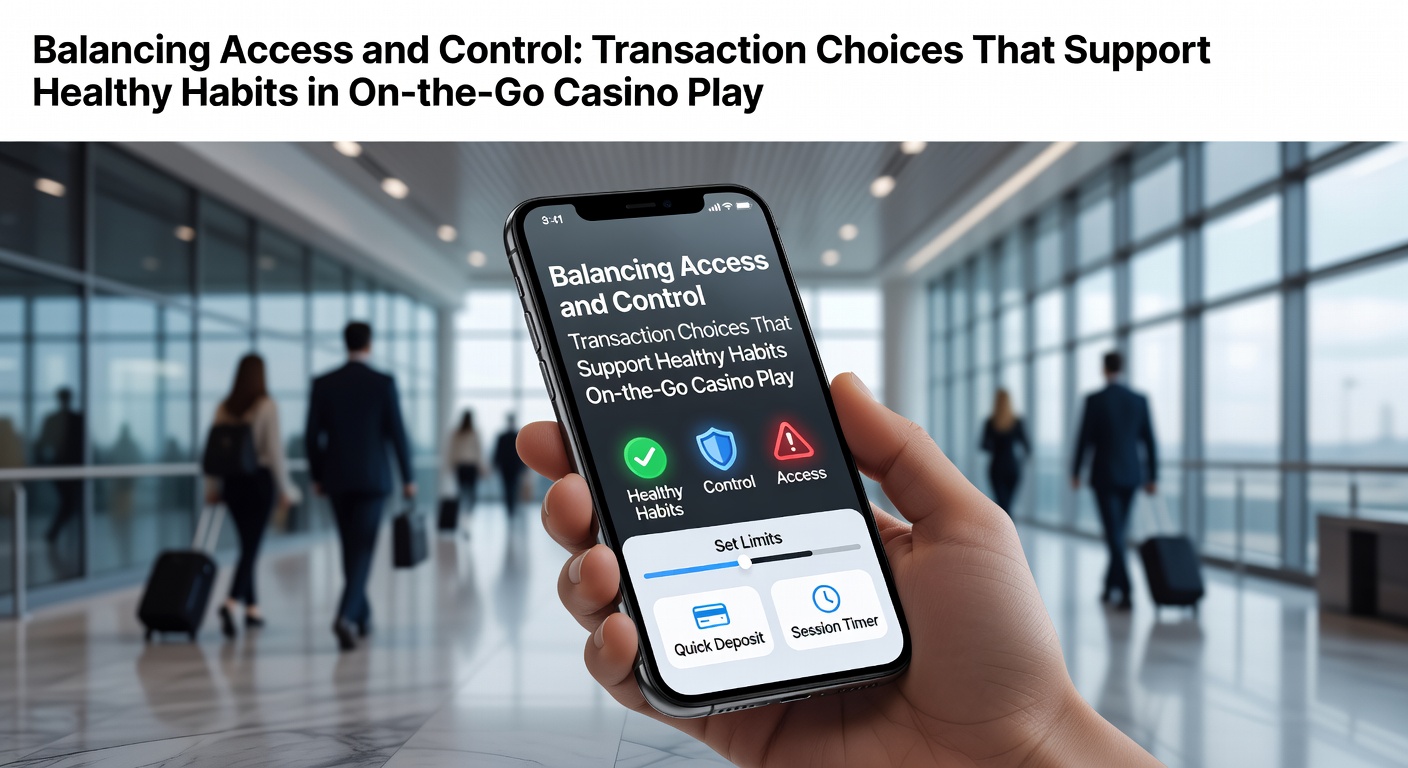
Mobile casino platforms have expanded rapidly since early 2025, with transaction systems now handling deposits and withdrawals through digital wallets, bank transfers, and instant payment apps that users access while traveling or during short breaks. Observers note that these options create both opportunities for convenient play and the need for built-in controls that help maintain balanced habits, especially when sessions occur away from home.
Transaction Features That Shape Daily Play Patterns
Modern mobile casinos integrate deposit caps, cooling-off periods, and real-time spending trackers directly into the payment flow, allowing users to set daily, weekly, or monthly limits before any funds move. Research indicates that platforms offering these tools at the transaction stage see higher retention of players who maintain steady session lengths rather than extended streaks. Data from regulatory reports released in May 2026 shows several North American operators updated their mobile apps to require limit confirmation during the first deposit of each week, a step that connects access with an immediate reminder of chosen boundaries.
Regional Approaches to Payment Controls
Canadian provincial regulators have required operators to display loss-limit prompts alongside every deposit option since late 2025, and similar requirements appear in Australian state guidelines updated this spring. Those who've studied cross-border data find that when transaction screens include both quick-deposit buttons and visible limit summaries, average spend per session remains more consistent across user groups. The European Gaming and Betting Association published figures in April 2026 revealing that apps with optional pre-commitment tools recorded fewer instances of rapid successive deposits compared with apps lacking those features.
Payment method variety also influences control. Users who choose bank transfers or prepaid vouchers often encounter built-in delays that naturally slow play pace, whereas instant wallet options allow immediate continuation. Observers note that many platforms now let players lock certain fast methods after reaching a preset threshold, shifting remaining activity to slower options without removing access entirely.
Supporting Healthy Habits Through Payment Design
Transaction choices that support healthy habits typically combine easy funding with visible progress indicators. A player might set a weekly budget that appears as a progress bar on the deposit screen, updating after each transfer so the remaining amount stays visible. Studies from university research teams in Ontario have shown that such visual cues correlate with fewer unplanned deposits during mobile sessions that occur while commuting or waiting in line.
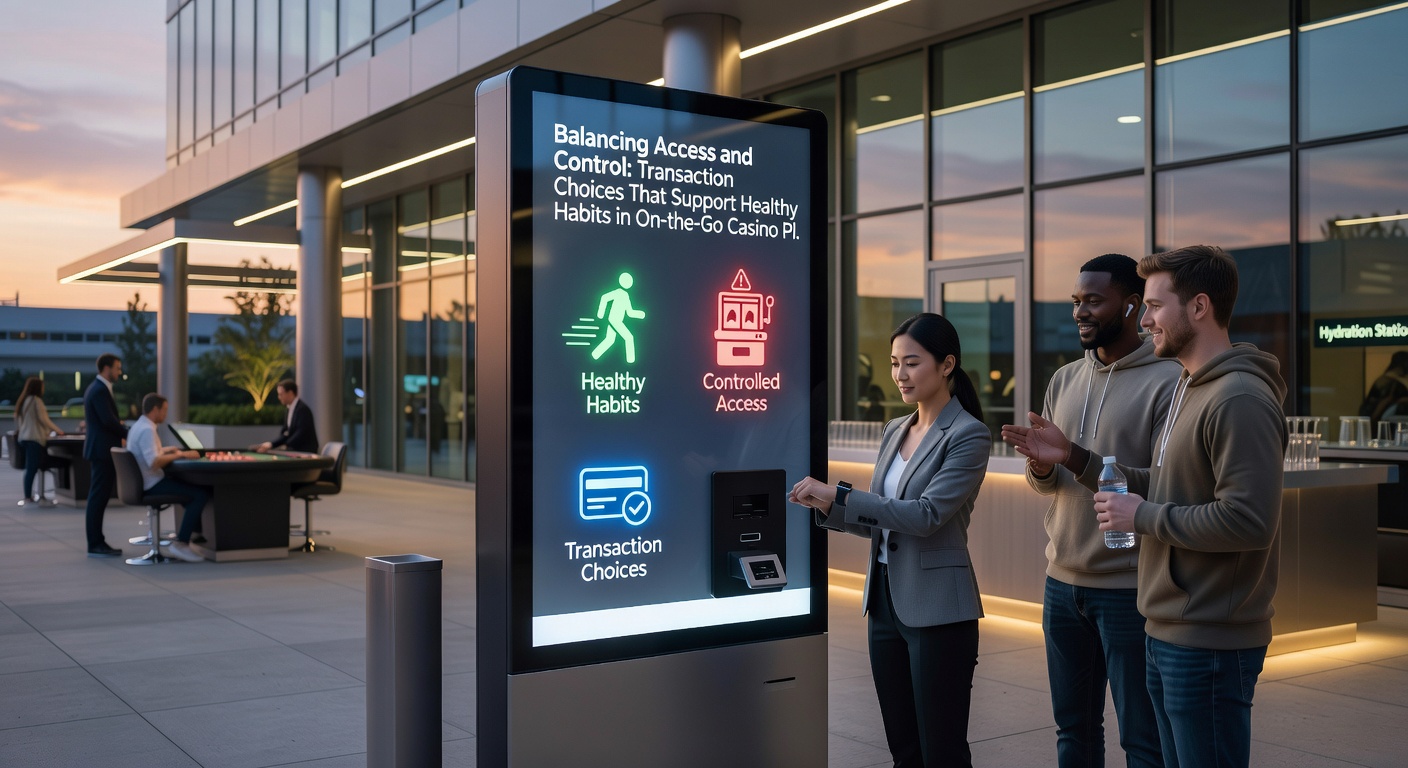
Time-based controls tied to transactions add another layer. Some apps automatically pause new deposits after a chosen number of consecutive minutes of activity, requiring a deliberate break before the next transfer processes. Figures released by the National Council on Problem Gambling in early 2026 indicate that these pause mechanisms, when presented as standard options rather than advanced settings, receive higher activation rates among mobile users.
Examples from Recent Platform Updates
Take one operator that introduced a “smart deposit” toggle in March 2026. The feature lets users pre-select a maximum amount and a cooldown interval between deposits, then applies those rules across all linked payment methods. Players who activate the toggle report in follow-up surveys that they finish sessions closer to their original time goals. Another platform now offers a “session summary” that appears after each withdrawal, listing total deposits, net result, and time spent, which researchers have linked to improved self-monitoring habits in on-the-go scenarios.
Practical Considerations for Mobile Users
Network stability during travel can affect how quickly transaction controls respond, so many apps cache limit settings locally and sync once connectivity returns. This approach prevents users from bypassing limits during brief offline moments. Those who have examined user behavior data note that clear explanations of how each control works, placed directly on the transaction page, increase the likelihood that players will engage with the tools rather than ignore them.
Conclusion
Transaction systems in mobile casinos continue to evolve by embedding access and control within the same payment flow. When operators present limit options, progress indicators, and cooling mechanisms alongside deposit choices, the resulting environment supports steadier play patterns across different regions and user routines. Continued updates scheduled through the remainder of 2026 are expected to refine these features further based on usage statistics gathered from current implementations.