Charting Regional Variations in Game Availability Across Borderless Digital Platforms
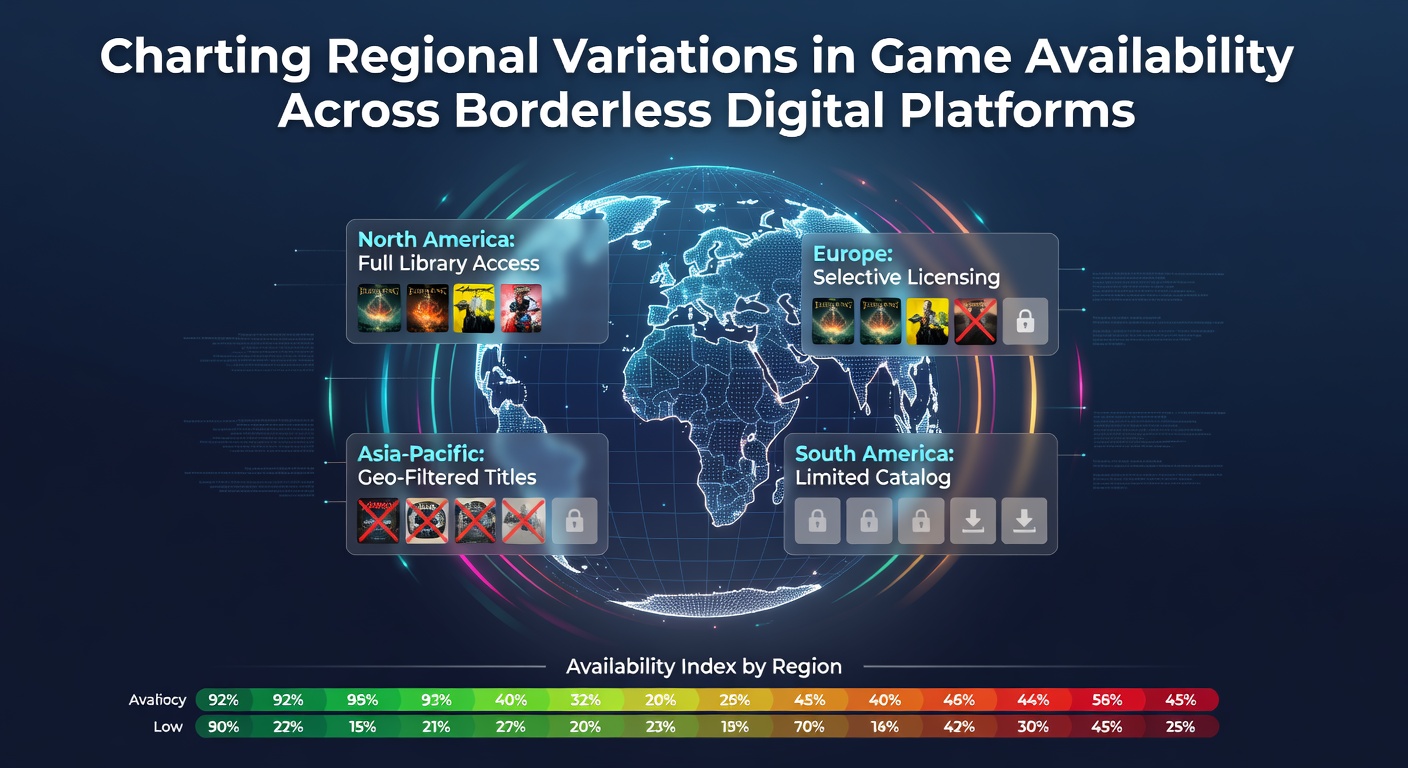
Digital platforms that distribute games operate without physical borders yet availability shifts sharply from one region to another because of licensing deals, local laws, and content rules. Observers note that users in one country often see entire catalogs of titles while neighbors a short distance away encounter empty shelves or placeholder notices. Data from industry reports shows these patterns have persisted through 2026 even as platforms expand their reach.
Key Drivers Behind Regional Differences
Licensing agreements between developers and publishers determine where a game can appear, and those contracts frequently carve the world into separate territories. Regulatory frameworks add another layer, since some nations restrict violence, gambling mechanics, or certain cultural references. Payment processing and tax structures further influence which titles reach store shelves, because platforms must integrate local banking systems and comply with currency controls. Researchers at academic institutions have documented how these combined factors create patchwork access rather than uniform global libraries.
North American Patterns
In the United States and Canada, most major platforms offer broad selections, although age ratings and state-level rules sometimes limit specific content. Canadian users gain access to certain titles earlier than some American states because provincial oversight differs from fragmented state approaches. Figures released in early 2026 indicate that over 85 percent of Steam's top 500 games appeared in both markets simultaneously, yet mobile app stores showed greater divergence due to varying provincial rules on loot boxes and in-app purchases.
European Variations
European Union member states share many rules under the Digital Services Act, yet individual countries still impose additional restrictions on loot-box mechanics or data collection practices. Germany and the Netherlands maintain stricter standards on simulated gambling elements than France or Spain. Platforms therefore toggle features or delay releases while developers adjust code to satisfy each jurisdiction. A 2025 study by a European research consortium found that 12 percent of globally released titles required modifications before appearing in all EU stores.
Asia-Pacific Developments
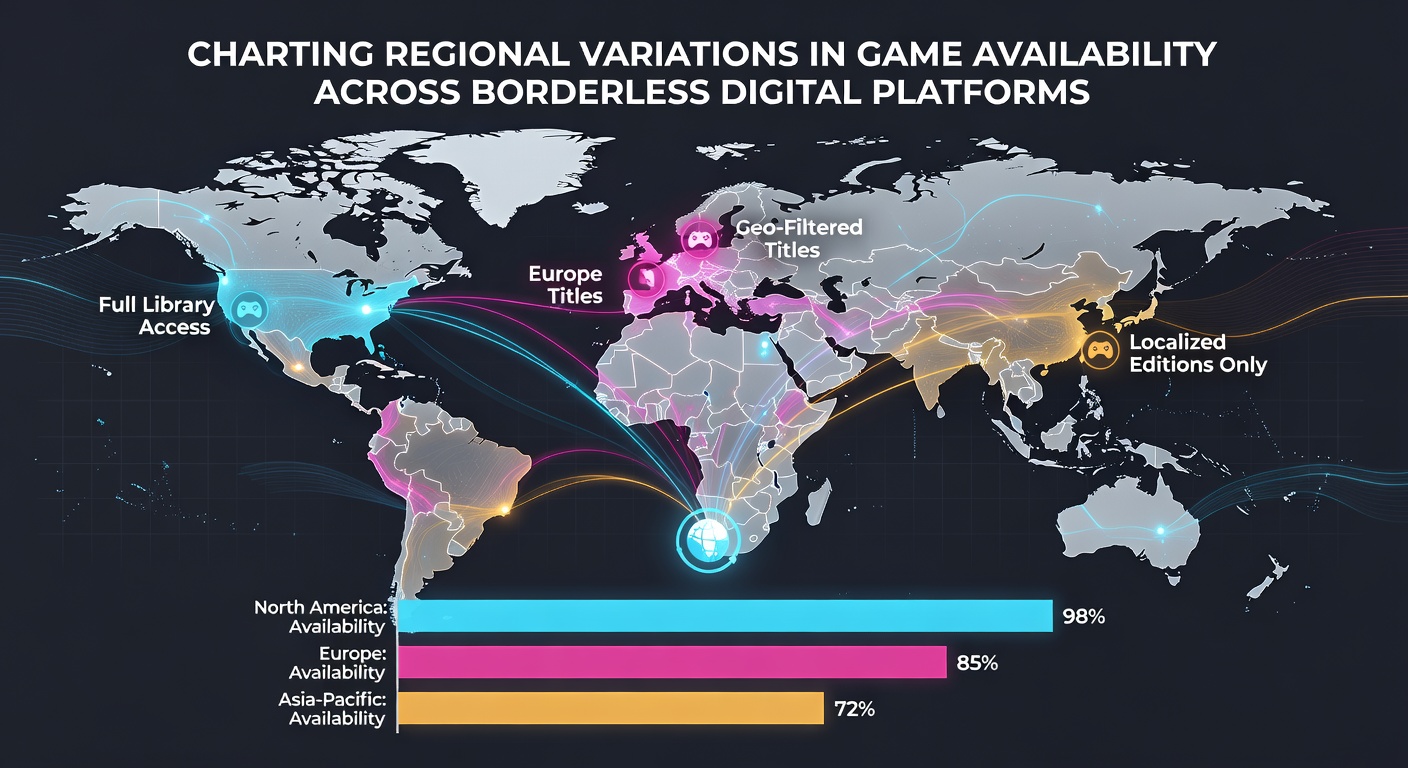
Countries across Asia-Pacific present some of the starkest contrasts. China maintains a rigorous licensing system that approves only a limited number of foreign titles each year, while South Korea and Japan allow broader catalogs but enforce strict content review boards. Australia and New Zealand follow classification systems similar to Europe yet occasionally ban titles that other regions accept. According to data published by the Entertainment Software Association, mobile game availability in Australia reached 92 percent of global releases by May 2026, whereas certain Southeast Asian markets hovered near 60 percent because of local censorship requirements.
Latin American and African Markets
Platforms in Latin America and parts of Africa often face infrastructure and payment barriers more than outright regulatory bans. Many users rely on alternative stores or VPN workarounds because official listings exclude regions lacking compatible billing options. Brazil and Mexico show high adoption of free-to-play titles, while smaller markets see fewer premium releases. Government agencies in these regions have begun publishing transparency reports that detail which developers choose to localize versus those that skip entire continents.
Impact on Players and Developers
Players who travel or maintain accounts across borders encounter sudden changes in their libraries, and developers must decide whether to invest in multiple versions or accept reduced reach. Industry organizations such as the International Game Developers Association have tracked how these decisions affect smaller studios disproportionately. Data indicates that independent titles appear in fewer regions on average than those backed by major publishers.
Trends Observed Through May 2026
Platform operators introduced new geo-filtering tools during the first half of 2026 that allow finer control over release schedules. At the same time, several governments updated digital content policies, prompting rapid adjustments. Observers note that cross-border cloud gaming services began testing unified libraries, yet local licensing still overrides those efforts in practice. Reports from regulatory bodies in Canada and Australia show steady growth in disclosed availability statistics, giving researchers clearer pictures of where gaps remain.
Conclusion
Regional variations in game availability across borderless digital platforms result from overlapping legal, commercial, and technical factors that continue to evolve. While global connectivity increases, the actual catalogs users encounter remain shaped by local conditions. Continued documentation by industry groups and government agencies helps map these differences and informs future platform policies.