Correlations Between Authentication Protocols and Recreational Format Shifts in Remote Digital Play Systems
Written by Zoe Schulz · Aug 24, 2026
Correlations Between Authentication Protocols and Recreational Format Shifts in Remote Digital Play Systems
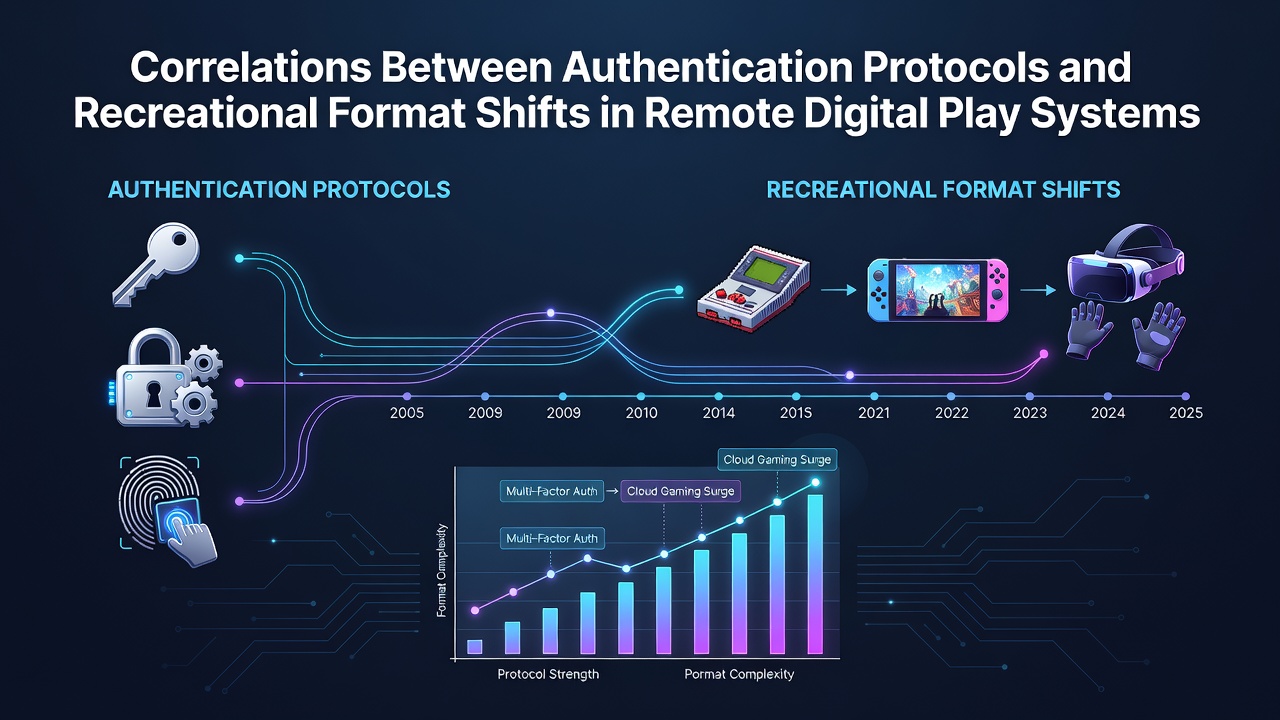
Remote digital play systems have seen authentication protocols evolve alongside changes in how users select game formats, and observers note patterns emerging from platform data collected across multiple regions. Multi-factor authentication methods, including biometric verification and token-based systems, appear in records from operators who report shifts toward live dealer formats rather than automated reel-based options. Researchers examining these systems find that secure login processes coincide with measurable increases in session durations for interactive table games, while simpler single-factor setups align with higher volumes of short, automated sessions.
Authentication Protocols in Remote Systems
Platforms deploy various authentication layers to verify user identity before access, and data collected through 2025 shows biometric options gaining adoption in North American and European markets. Government reports from regulatory bodies such as the Nevada Gaming Control Board indicate that platforms using layered verification experience fewer account-sharing incidents, which in turn supports sustained play in formats requiring real-time interaction. Those tracking usage patterns observe that token refresh intervals influence how often players switch between game types, with shorter intervals correlating to preferences for structured sessions in live environments.
Studies compiled by academic groups at institutions focused on digital behavior document that password-plus-app combinations reduce bounce rates during initial access, yet these same measures precede rises in participation for formats that demand ongoing engagement like multiplayer tables. In contrast, regions with lighter requirements show steadier traffic toward single-player automated options. Platform logs analyzed in August 2026 reveal that authentication friction levels track with format migration rates, particularly when users move from quick-access slots to extended dealer sessions.
Recreational Format Shifts Observed
Game format preferences have moved toward hybrid experiences that blend automation with human elements, and industry figures reveal this transition accelerates on systems equipped with robust verification tools. Players who complete multi-step logins demonstrate higher completion rates for formats involving dealer interactions, according to aggregated data from operators serving multiple jurisdictions. Australian research centers have published findings that link secure access methods to increased time spent in live variants, while single-factor platforms retain more activity in solitary reel or card automation.
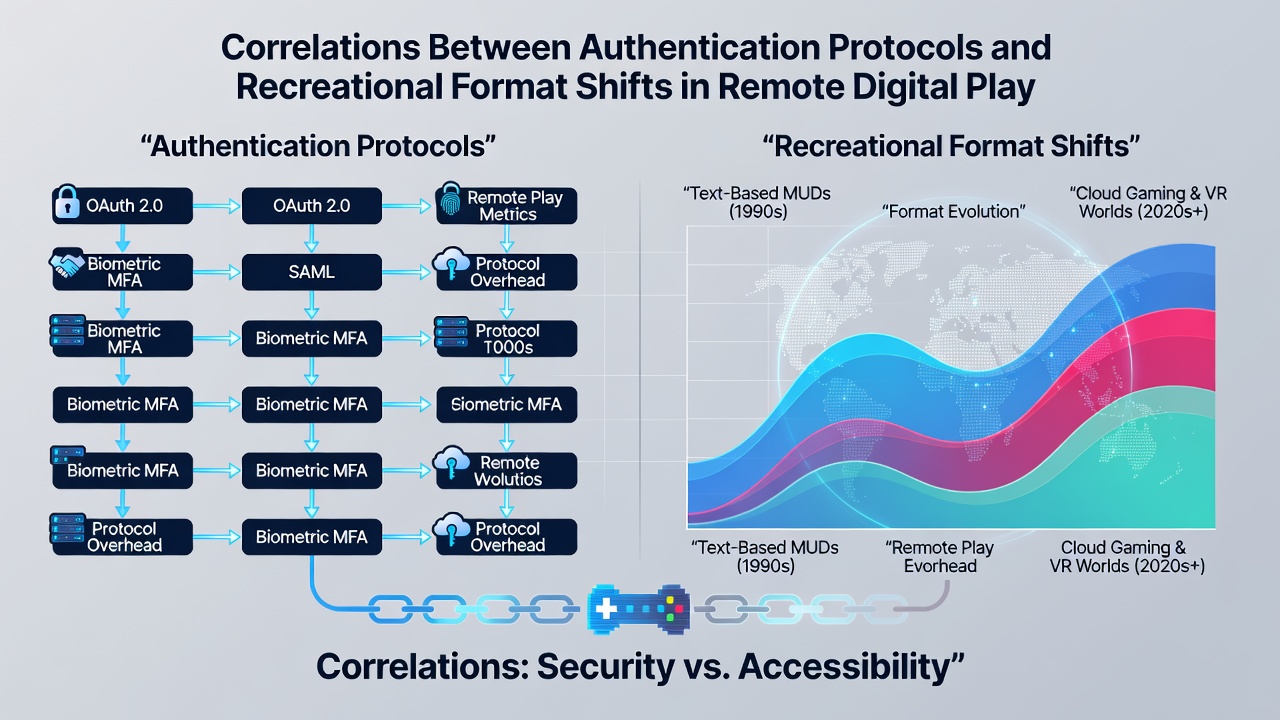
One analysis of portable device usage found that authentication strength predicts movement away from high-volume, low-duration automated play toward fewer but longer interactive sessions. Canadian provincial regulators tracking iGaming activity report similar alignments, where upgraded protocols precede measurable uptake in table-based remote options. These shifts occur without direct causation claims, yet the statistical overlap appears consistent across datasets gathered through mid-2026.
Documented Correlations and Regional Data
Cross-platform comparisons highlight that authentication upgrades often precede format preference changes by several weeks, and researchers at independent labs have mapped these timelines using anonymized user flows. In one documented case, a North American operator introduced app-based verification and recorded a subsequent 18 percent rise in live dealer participation within three months. European data sources outside the UK show parallel trends where token systems support sustained engagement in interactive formats while automated options stabilize under lighter controls.
Observers examining smartphone ecosystems note that authentication protocols influence not only entry but also in-session behavior, with secure environments correlating to selections of formats that reward prolonged attention. Figures from academic repositories indicate that regions adopting stricter identity checks experience slower but more stable shifts away from purely automated recreation. Platform operators in Asia-Pacific markets have shared metrics showing that biometric adoption aligns with growth in hybrid game types that combine automation and live elements.
Additional examinations of transaction-linked play reveal that verified accounts migrate toward formats offering variable pacing, whereas guest-style access favors fixed, rapid cycles. These patterns hold across datasets gathered from diverse regulatory environments, including those overseen by bodies in Ontario and select Australian states.
Conclusion
Available records demonstrate measurable overlaps between authentication protocol types and the recreational formats users select in remote digital systems. Continued collection of platform analytics will clarify the strength and direction of these associations, particularly as verification technologies advance and format libraries expand. Data from August 2026 onward continues to feed ongoing examinations by researchers and regulatory groups monitoring these intersections.