Decoding Funding Flexibility Patterns in Portable Live Gaming Sessions
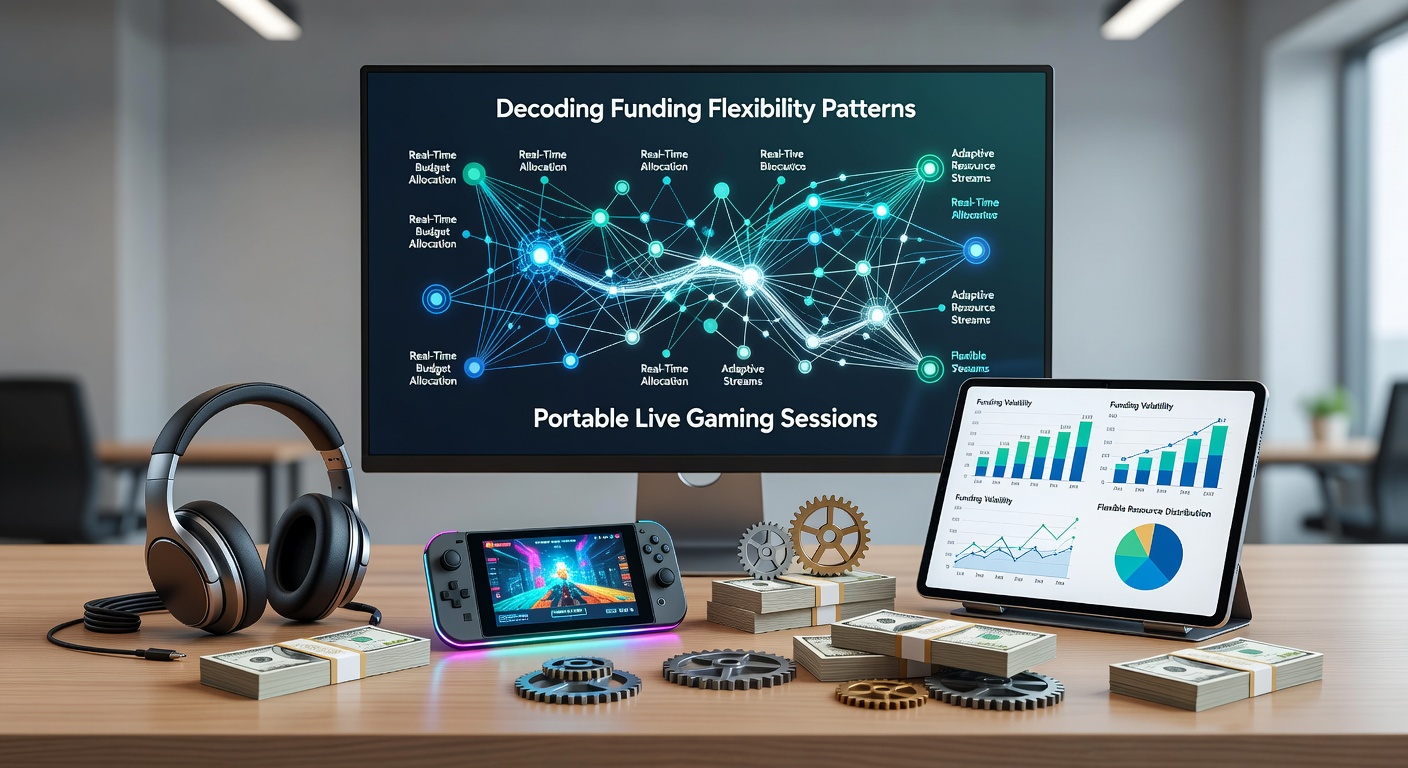
Portable live gaming sessions have expanded rapidly as operators integrate real-time dealer interactions with mobile platforms that support instant account funding across multiple channels. Data from regulatory filings shows that participants frequently shift between deposit methods within single sessions, creating observable patterns tied to session length and device type. These shifts occur because funding tools now sync across smartphones, tablets, and hybrid devices without requiring separate logins or balance transfers.
Core Elements of Funding Flexibility
Funding flexibility refers to the range of payment instruments that permit users to add funds, adjust limits, or switch currencies while engaged in live dealer streams. Observers note that this capability stems from API integrations between gaming platforms and financial processors, which handle transactions in under five seconds in most documented cases. Research from the New Jersey Division of Gaming Enforcement indicates that over 65 percent of mobile live sessions in the first half of 2026 involved at least one mid-session deposit adjustment, often triggered by bonus triggers or table minimum changes.
Common instruments include digital wallets, bank transfers, and prepaid vouchers, each offering distinct latency profiles. Digital wallets typically complete authorization in two to four seconds, whereas direct bank links require an additional verification step that extends to eight seconds on average. Those patterns hold steady across iOS and Android ecosystems according to aggregated telemetry shared by platform providers.
Observed Usage Patterns in Mid-2026
Analysts tracking June 2026 activity identified recurring sequences where initial funding via digital wallet precedes a secondary top-up through voucher codes once live table stakes increase. This sequence appears most often in sessions exceeding 25 minutes, where participants extend play after early wins or losses. Figures released by the Nevada Gaming Control Board reveal that voucher redemptions rose 18 percent month-over-month during that period, coinciding with promotional campaigns tied to specific live dealer titles.
Device rotation also influences funding choices. Sessions started on smartphones show higher rates of wallet-based deposits, while tablet users lean toward stored bank credentials that bypass repeated authentication prompts. The difference arises because larger screens accommodate more detailed verification interfaces without disrupting the live video feed.
Regional Regulatory Influences
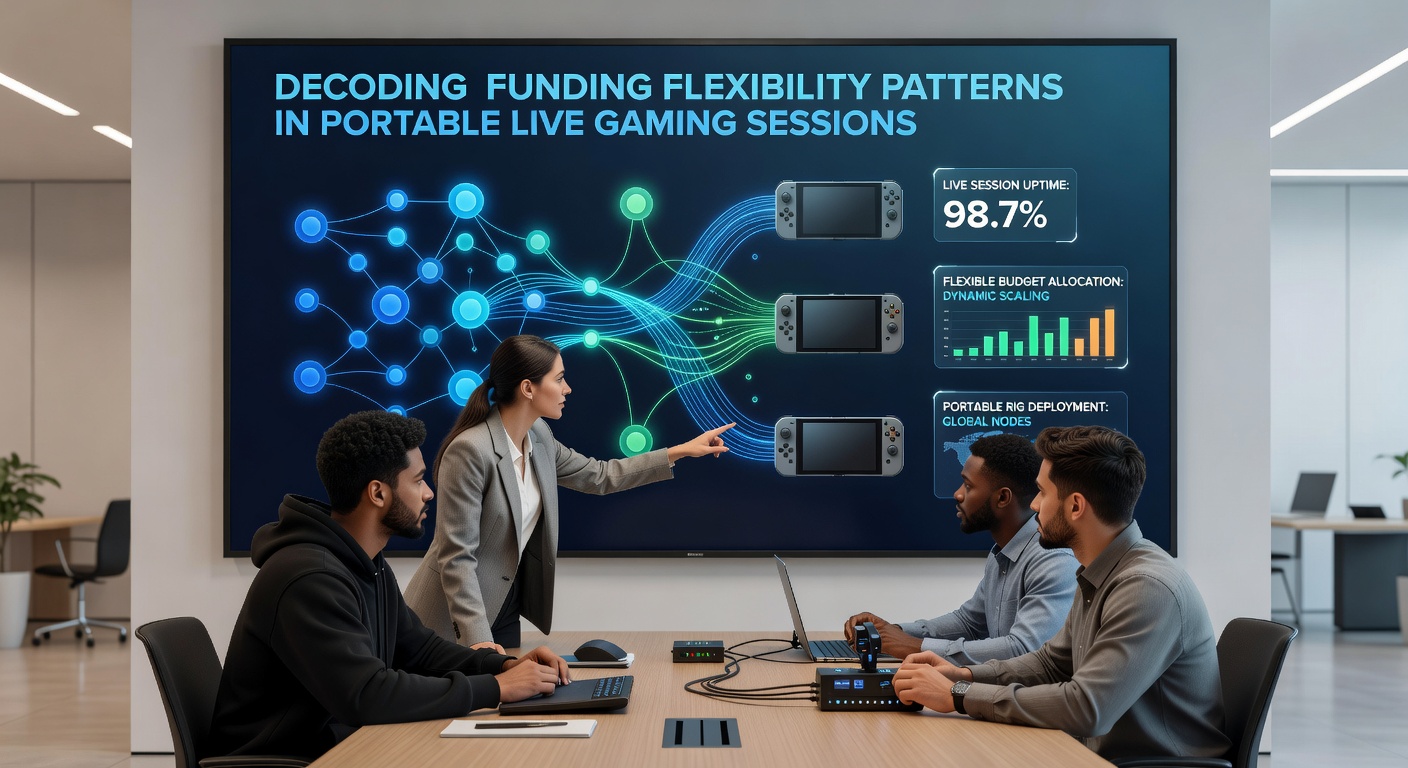
State and provincial rules shape which instruments gain traction. In jurisdictions with strict single-wallet mandates, players consolidate funding through one primary method for the entire session, reducing mid-play switches. Conversely, markets permitting multi-account linkages display elevated flexibility, with users cycling between instruments to optimize fees or reward points. Reports compiled by the Australian Institute of Criminology document parallel trends in licensed online environments, where cross-border participants adapt funding sequences to local tax treatments.
Operators respond by embedding region-specific filters that surface compliant options first. These filters draw from geolocation data and update in real time, ensuring that displayed instruments match both regulatory requirements and user preference histories. Such automation has reduced declined transactions by measurable margins in markets that adopted the approach before June 2026.
Technical Infrastructure Supporting Flexibility
Backend systems rely on tokenization and federated identity protocols to maintain session continuity when funding sources change. Tokenization replaces sensitive account details with temporary identifiers that expire after each transaction, while federated identity allows single sign-on across payment gateways. The combination permits seamless balance updates without interrupting dealer interactions or video streams.
Latency benchmarks published by industry testing labs place average end-to-end processing below three seconds for tokenized wallet transactions, a threshold that operators treat as essential for preserving immersion in live environments. When delays exceed that window, session abandonment rates climb according to platform telemetry.
Conclusion
Funding flexibility patterns in portable live gaming emerge from the intersection of regulatory frameworks, device capabilities, and backend processing speeds. Documentation through mid-2026 shows consistent sequences of wallet-to-voucher shifts and device-driven preferences that operators now encode into platform design. Continued monitoring by bodies such as the New Jersey Division of Gaming Enforcement and the Nevada Gaming Control Board will clarify whether these patterns stabilize or evolve with new instrument introductions.