Examining how evolving digital payment networks influence game selection patterns among portable platform users
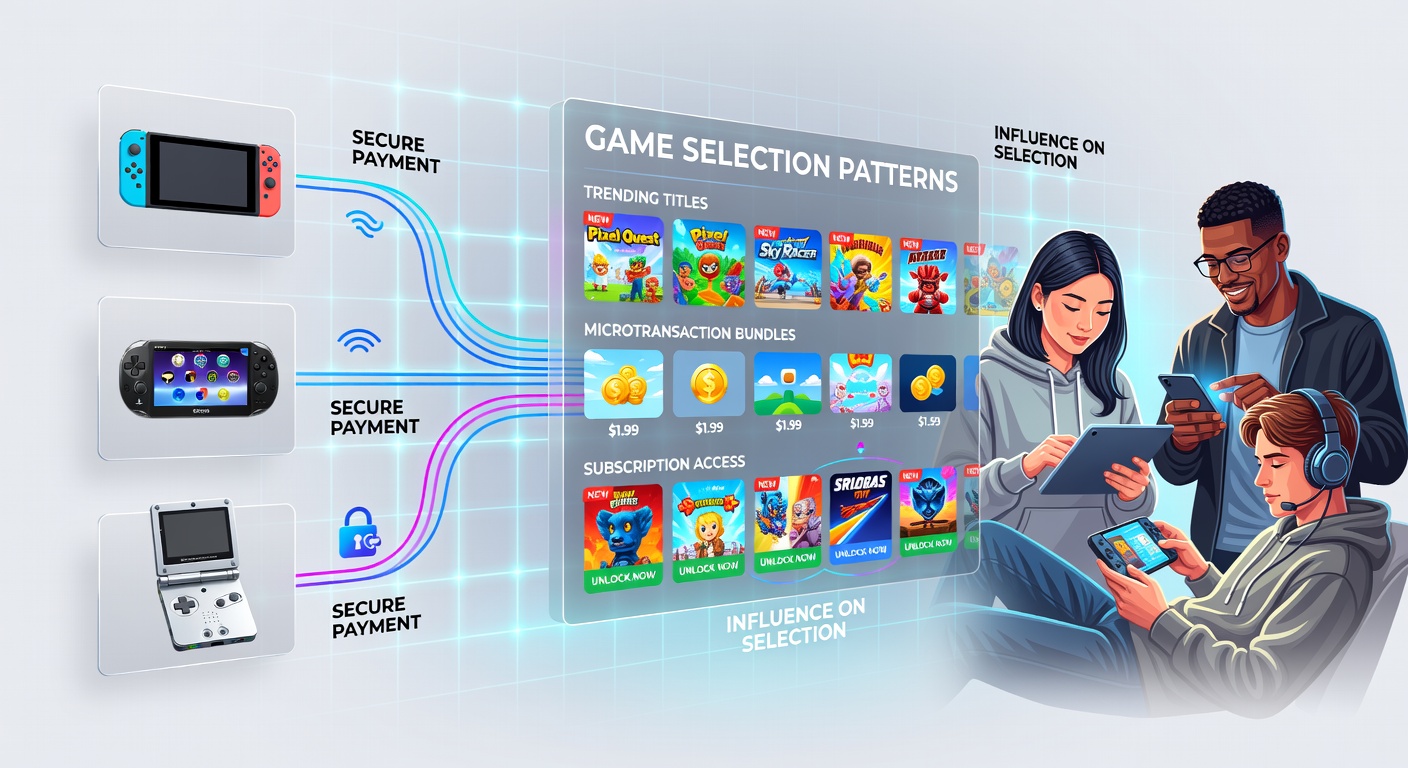
Digital payment networks have expanded rapidly since the mid-2010s, and portable platforms now serve as primary access points for millions of users who select games based partly on how easily they can complete transactions. Researchers tracking app store data note that payment method availability correlates with download rates for certain genres, particularly those relying on frequent in-app purchases or subscriptions. As networks incorporate features such as tokenization and instant bank transfers, developers adjust game design and monetization accordingly.
Expansion of payment options on mobile devices
Portable platforms integrate multiple payment layers, from device-native systems like Apple Pay and Google Pay to third-party wallets and emerging real-time rails. Data compiled by industry observers shows that by early 2026, over 70 percent of mobile game transactions in several markets occurred through these integrated methods rather than direct carrier billing. This shift alters selection because users gravitate toward titles that support their preferred wallet or banking app, reducing friction during initial engagement. Games requiring separate account creation or external redirects experience lower conversion from browsing to active play.
Regional infrastructure differences
Payment adoption varies across regions because local regulations and banking penetration shape which networks gain traction first. In markets with widespread contactless infrastructure, users select puzzle and simulation titles that accept quick tap-to-pay options, whereas regions with stronger bank transfer systems see higher engagement with strategy games offering subscription bundles paid directly from accounts. A report released by the Singaporean Infocomm Media Development Authority in 2025 documented that seamless integration of local payment schemes increased average session length for selected mobile titles by measurable margins. Similar patterns appear in Canadian statistics tracking digital commerce, where users equipped with Interac-enabled wallets demonstrate distinct preferences for games supporting recurring micro-transactions.
Game developers respond by embedding multiple payment gateways at launch, yet selection patterns still cluster around titles optimized for the dominant local network. Observers tracking platform analytics find that when a new rail such as open banking APIs becomes available, certain genres experience accelerated uptake while others remain stable.
Transaction speed and user retention metrics
Speed of payment processing influences which games users keep installed after the first session. Portable platform telemetry indicates that games completed within a single screen tap or biometric confirmation retain higher percentages of new players compared with those directing users to external checkout flows. This dynamic favors selection of casual and mid-core experiences over complex titles that historically relied on slower verification steps. Data from academic studies conducted at European universities highlights how reduced latency in payment confirmation correlates with longer play intervals across age cohorts.

Payment networks that embed loyalty rewards or cashback mechanisms further steer choices. Users encounter promotions tied to specific games through their banking apps, creating pathways that favor those titles during discovery phases. Industry reports compiled in June 2026 reveal measurable spikes in downloads for games featured within such reward ecosystems, particularly when promotions coincide with seasonal content updates.
Security features and trust signals
Enhanced authentication protocols embedded in newer payment networks affect selection by building user confidence in games handling financial data. Portable platforms display trust indicators at the point of purchase, and titles that leverage these signals record higher completion rates for initial transactions. Research from the Australian Bureau of Statistics on digital payment adoption demonstrates that consumers who perceive stronger security features extend their engagement to additional game categories they previously avoided due to perceived risk. Developers therefore prioritize certification badges and network partnerships when marketing new releases to broader audiences.
Genre-specific adaptations
Action and role-playing games on portable platforms increasingly incorporate payment options that allow one-tap access to expansion content, aligning with networks that support rapid authorization. In contrast, free-to-play match-three and idle games optimize for smaller, frequent purchases that fit within daily spending limits set through banking apps. Analysts examining platform data note that these adaptations produce observable clusters where certain payment networks dominate traffic to particular game types. The pattern holds across multiple operating systems and device manufacturers.
Cross-border play introduces additional variables because currency conversion and regulatory compliance differ by network. Users with access to multi-currency wallets show broader selection ranges, sampling games from international studios that accept their primary payment method without added fees. Government data agencies in several jurisdictions track these flows as part of broader digital economy monitoring.
Future trajectories based on current infrastructure
Payment networks continue to evolve with features such as programmable money and embedded finance tools that could further segment game selection. Developers monitor pilot programs in select markets to anticipate which mechanics will translate into portable platform preferences. Evidence from ongoing trials suggests that games offering flexible payment schedules tied directly to network features attract distinct user segments compared with traditional one-time purchase models. Those who have examined longitudinal app store statistics observe that these infrastructure changes produce gradual rather than abrupt shifts in overall patterns.
Conclusion
Digital payment network development shapes game selection on portable platforms through measurable differences in speed, security perception, and regional availability. Data from multiple sources shows consistent correlations between network capabilities and the genres or monetization styles users choose. As infrastructure expands, selection patterns will likely continue to reflect the dominant payment rails in each market while developers refine integration strategies accordingly.