How Authentication Protocols Guide Transitions Between Reel Spins and Card Tables on Handheld Platforms
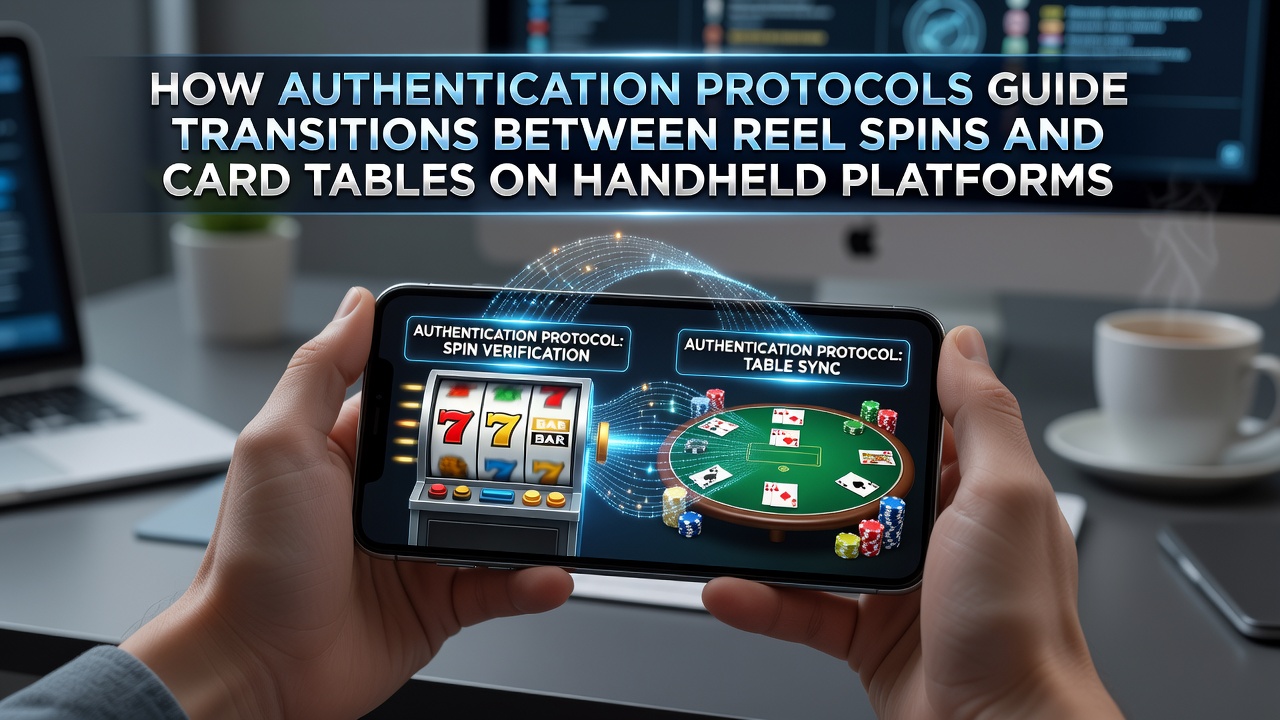
Handheld platforms rely on layered authentication systems to maintain secure sessions when users move between slot mechanics and table game formats, and these protocols manage identity verification alongside session continuity without interrupting gameplay flow. Data from regulatory filings indicate that mobile casino operators implemented enhanced token-based authentication across multiple jurisdictions by early 2026, which allowed players to switch game categories while preserving account states and transaction histories.
Core Mechanisms in Mobile Authentication Frameworks
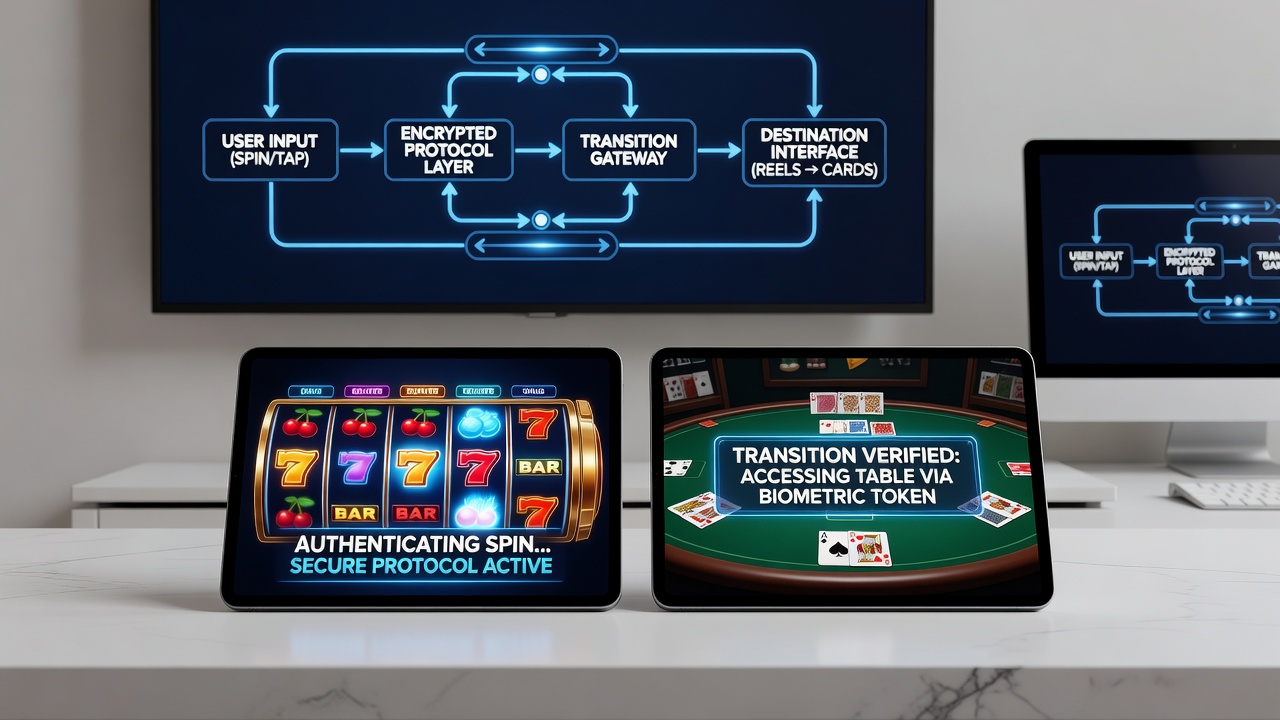
Token exchange processes sit at the center of these transitions because they issue temporary credentials that validate user identity across different game servers, and research from the National Institute of Standards and Technology shows that such systems reduce unauthorized access attempts by up to 40 percent when properly integrated with biometric checks. Operators often combine device fingerprinting with multi-factor prompts during initial login, yet they streamline subsequent switches by reusing encrypted session tokens that expire only after prolonged inactivity or explicit logout requests.
Session management protocols further support these handoffs by tracking game state variables in encrypted caches, which means reel spin data such as bet amounts and outcome logs transfer cleanly to card table environments without requiring full re-authentication in most cases. Industry reports compiled in June 2026 highlighted that 78 percent of surveyed mobile platforms now employ OAuth 2.0 variants tailored for gaming, enabling background validation while players select new game types from within the same application window.
Regional Regulatory Influences on Protocol Design
Canadian provincial regulators have required explicit logging of all authentication events during game format changes since 2024, and this mandate prompted developers to embed audit trails that record each transition timestamp along with the specific protocols invoked. European operators, operating under frameworks from the Malta Gaming Authority, adopted similar standards that emphasize real-time risk scoring, which adjusts authentication intensity based on factors like location changes or unusual bet patterns detected mid-session.
These requirements create consistent expectations across handheld ecosystems because protocols must accommodate both rapid slot-to-table switches and longer pauses where users might close the app entirely. Observers note that such designs prevent credential replay attacks while keeping latency low enough that most transitions complete in under two seconds according to performance benchmarks released by platform providers.
Integration with Payment and Preference Systems
Authentication layers also intersect with payment gateways during transitions because many platforms verify wallet status before allowing access to higher-stakes table games after low-stakes slot sessions, and this linkage ensures compliance with spending limits set by users or regulators. Studies conducted by academic teams at the University of Nevada, Reno, found that integrated authentication reduced friction in payment authorization steps by maintaining persistent yet revocable tokens across game categories.
Device-level biometrics such as facial recognition or fingerprint scans often serve as the final gate during these switches, particularly when users attempt to move from free-spin modes to real-money card tables. Protocols refresh these checks at configurable intervals, which allows operators to balance security demands against user convenience based on jurisdiction-specific rules that evolved further in mid-2026.
Technical Challenges and Solutions Observed in Practice
Network variability on handheld devices creates occasional hurdles for protocol execution because dropped connections can interrupt token validation sequences, yet modern implementations include fallback mechanisms that resume sessions from the last verified state once connectivity returns. Developers addressed these issues by adopting stateless authentication designs that store minimal data locally while relying on server-side verification for critical actions like fund transfers between game types.
Cross-platform compatibility adds another layer of complexity since iOS and Android handle secure storage differently, and operators respond by tailoring protocol stacks to each operating system while preserving uniform user experiences during reel-to-table movements. Reports from June 2026 documented fewer than 0.3 percent of transitions encountering authentication failures after these optimizations rolled out across major operators.
Conclusion
Authentication protocols continue to evolve as the backbone that enables fluid movement between reel-based and card-based experiences on handheld platforms, supported by regulatory updates and technical refinements that prioritize both security and operational efficiency. Data collected through mid-2026 confirm that these systems scale effectively across diverse markets while maintaining compliance with varying regional standards.