How Budget Controls Steer Choices in Progressive Jackpot Formats Across Regulated Digital Spaces
Written by Sage Schwarz · Aug 24, 2026
How Budget Controls Steer Choices in Progressive Jackpot Formats Across Regulated Digital Spaces
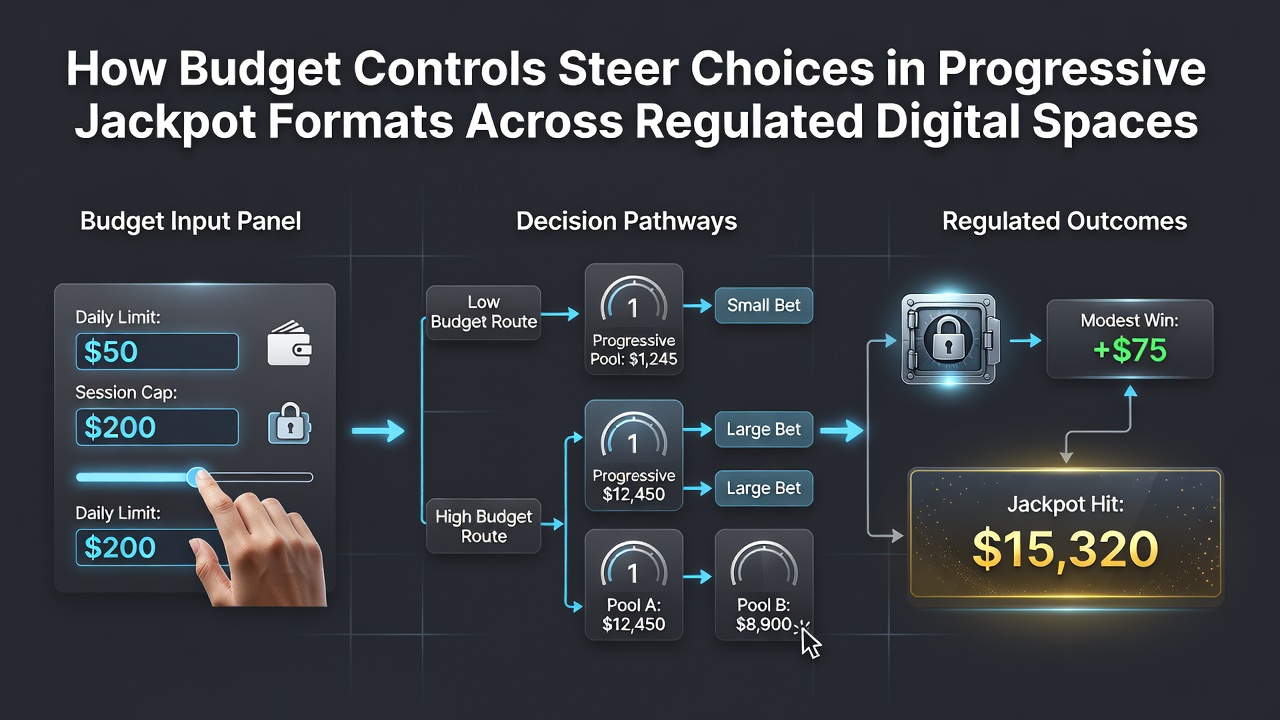
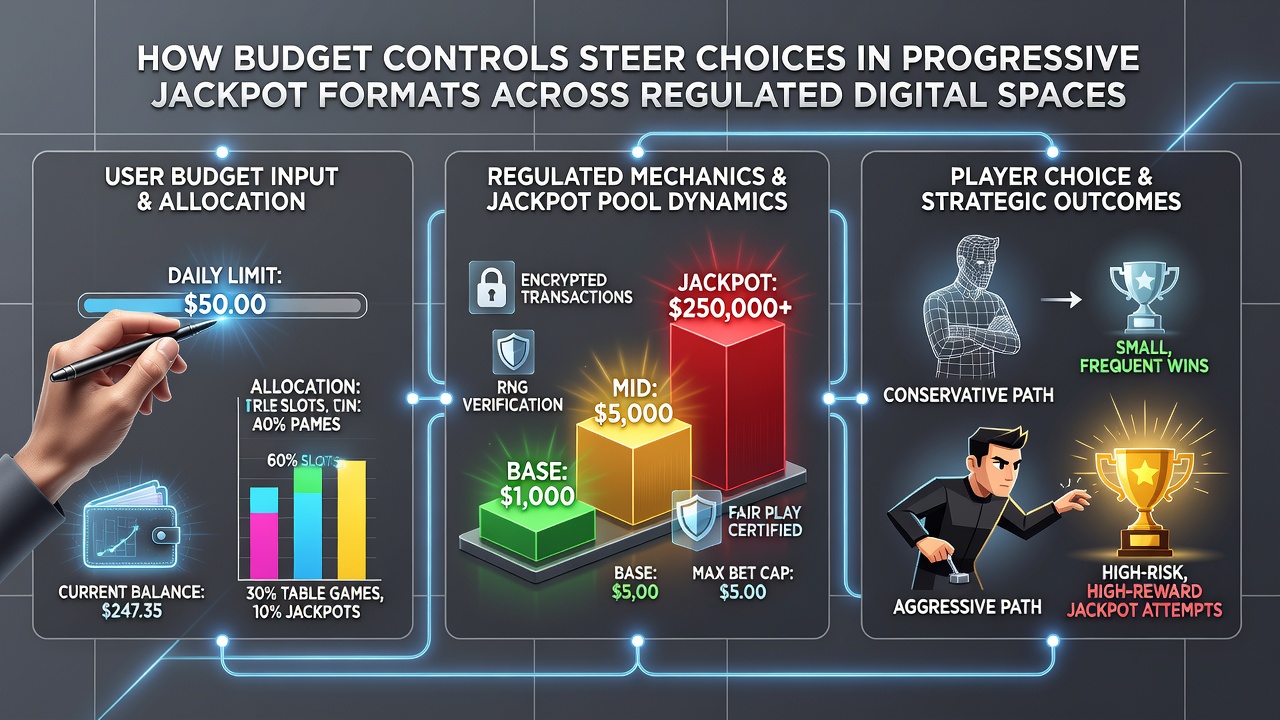
Progressive jackpot formats in regulated digital spaces connect individual wagers to growing prize pools that span multiple jurisdictions and operators, and budget controls such as deposit caps, loss limits, and session timers shape which of these formats players select. Regulators require platforms to embed these tools directly into the interface so participants can set parameters before play begins, and data from licensing bodies shows measurable shifts in game selection once limits activate. Players facing tighter constraints often migrate toward progressives with lower minimum bets or slower accumulation rates rather than those tied to high-stakes networks, because the controls prevent rapid depletion of allocated funds while still allowing participation in the jackpot mechanic.
Mechanics of Progressive Systems Under Regulatory Oversight
Operators in licensed markets link slot titles and table variants to shared jackpot pools through certified random number generators and audited contribution percentages, and each jurisdiction mandates transparent reporting of how much of every wager feeds the pool versus the house edge. In August 2026 several North American and European regulators released aggregated figures indicating that platforms with mandatory budget tools recorded higher volumes of play on mid-tier progressives compared with unrestricted environments, because users adjusted wager sizes to stay within their self-imposed boundaries. These adjustments occur automatically once a player activates a daily loss limit or cool-down period, steering activity away from formats that require sustained high-volume betting to reach competitive jackpot odds.
Budget Controls as Decision Filters
Deposit limits, reality checks, and time-based pauses function as real-time filters that recalibrate player exposure to different jackpot structures, and researchers tracking anonymized transaction logs note that participants who set weekly caps below a certain threshold concentrate activity on local or regional progressives rather than global mega-pools. The regional variants typically feature smaller starting seeds and more frequent payouts, allowing users to maintain engagement without breaching their controls. Data from multiple licensing authorities reveals that once a player activates a loss limit, the average bet size on high-contribution mega-progressives drops while selections of lower-stakes linked jackpots rise, demonstrating a direct steering effect.
What's interesting is how the timing of these controls influences format preference, because a player who encounters a reality-check prompt mid-session often switches to a progressive with slower meter growth to extend playtime within the remaining budget. Industry reports compiled by research institutions in Canada and Australia document this pattern across thousands of accounts, showing consistent migration patterns when budget parameters tighten. Operators must display current jackpot values alongside the player's remaining limit balance, and this side-by-side presentation encourages deliberate choices between fast-accumulating versus steadier formats.
Regional Patterns in August 2026 Data
Regulated markets in different continents apply budget controls with varying degrees of prescriptiveness, and August 2026 compliance summaries from the Nevada Gaming Control Board alongside provincial reports from Ontario highlight that jurisdictions requiring default limit prompts at registration see earlier adoption of conservative jackpot strategies. Players in these environments gravitate toward progressives where the contribution rate per spin remains modest, preserving bankroll longevity. In contrast, markets that allow players to opt into limits later observe delayed shifts, yet the same directional movement toward lower-variance formats eventually appears once controls engage.
European regulators outside the UK have begun publishing comparative studies on how loss-limit tools correlate with jackpot format popularity, and one multi-country analysis found that participants using multi-operator spend trackers reduced activity on cross-border mega-jackpots by measurable percentages. The same study noted increased traffic on single-operator or localized progressive networks that reset more frequently. These patterns emerge because budget controls cap total exposure, making the longer odds of massive global pools less attractive relative to formats that deliver smaller but more attainable wins within constrained sessions.
Platform Design and Player Navigation
Regulated platforms integrate budget dashboards directly into the game lobby, and this placement lets users compare jackpot sizes against their remaining allocation before committing funds. Designers arrange filters that sort progressives by minimum bet and contribution rate, and players routinely apply these filters after setting limits. Observers tracking interface analytics report that once limits are active, selections cluster around titles whose average return-to-player figures align with the controlled budget range, rather than those promising outsized but infrequent payouts. The steering effect compounds when platforms display projected session length based on current limits and selected wager sizes.
Take one operator that introduced a mandatory budget tutorial in early 2026, after which transaction data showed a clear redistribution of play across progressive categories. Users who completed the tutorial and set active controls moved away from the highest-seed global pools toward mid-range formats that allowed repeated spins without exhausting their caps. Similar outcomes appear in reports from Australian state regulators and academic reviews of North American platforms, confirming the pattern across geographies.
Conclusion
Budget controls embedded in regulated digital spaces create measurable steering effects on progressive jackpot selections by constraining total exposure and prompting real-time adjustments in wager size adn format preference. Data collected through August 2026 from licensing bodies in North America, Canada, and Australia demonstrates consistent migration toward regional or lower-contribution progressives when limits are active, because these formats better accommodate sustained participation within fixed parameters. Platform interfaces that display both jackpot meters and remaining budget balances reinforce this navigation, and the resulting patterns reflect regulatory requirements rather than unrestricted player preference. As more jurisdictions refine their oversight of digital gambling tools, the relationship between budget mechanisms and jackpot format choices continues to evolve through documented shifts in transaction and engagement metrics.