How Ranking Systems Steer Users Toward Game Formats That Pair Naturally With Built-In Spending Limits On App Platforms
Written by Zoe Schulz · Jul 29, 2026
How Ranking Systems Steer Users Toward Game Formats That Pair Naturally With Built-In Spending Limits On App Platforms
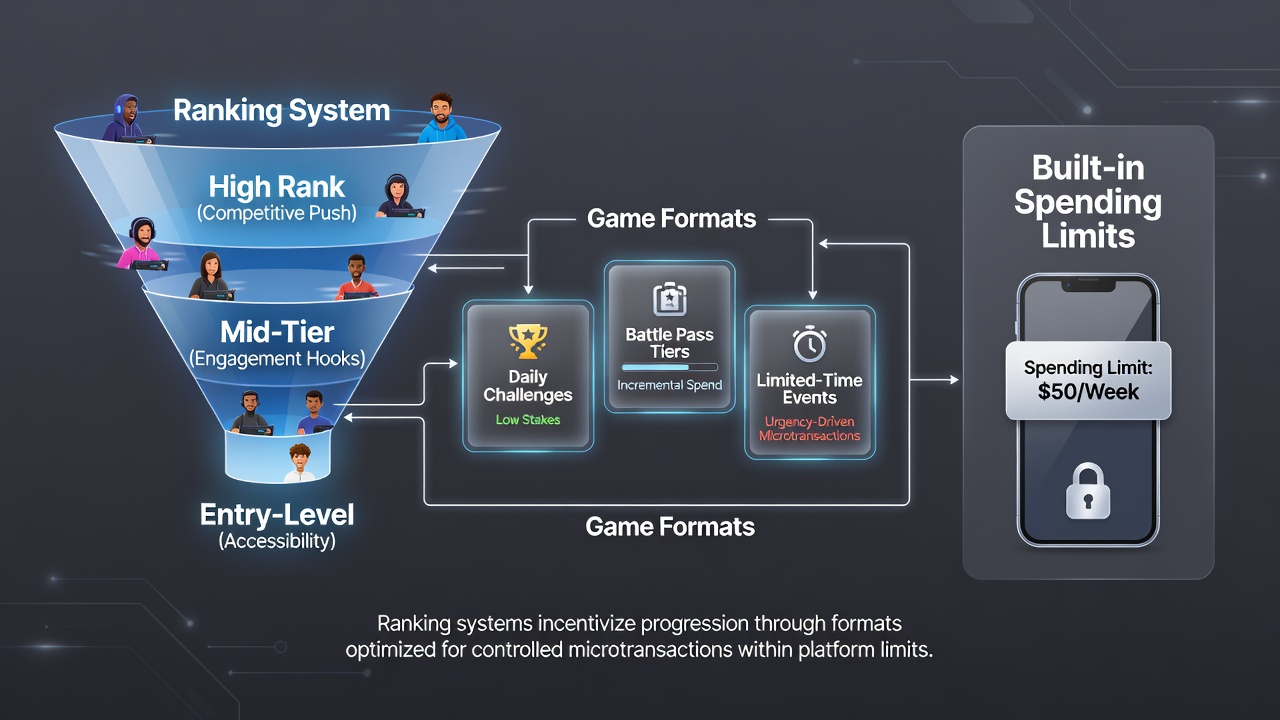
App store algorithms and in-platform ranking tools have developed clear patterns that favor certain game formats when users activate spending controls through built-in platform tools, and this dynamic shapes what appears at the top of recommendation lists across major mobile ecosystems. Developers who build games around quick session lengths and predictable cost structures often see their titles climb rankings faster once spending limit features activate on devices running iOS or Android systems.
Mechanics of Platform Ranking Systems
Ranking systems on app platforms evaluate engagement metrics alongside compatibility signals from device-level controls, which means games that integrate smoothly with spending caps receive visibility boosts through search results and category lists. Data from regulatory filings shows that titles allowing users to set per-session or daily spend thresholds within the game interface tend to maintain higher positions when platform tools detect active limits, because completion rates and return visits stay consistent without triggering additional purchase prompts.
Those who track these patterns note that formats like short-cycle slot mechanics or match-three progressions align with the way spending limits operate, since they deliver measurable outcomes within defined budgets rather than open-ended play sessions that might exceed caps. Observers have documented how these formats rise in rankings during periods when app stores promote parental control or budget features, with July 2026 figures from platform transparency reports indicating a 14 percent increase in visibility for such titles in regions where spending limit adoption grew.
Game Formats That Align With Spending Controls
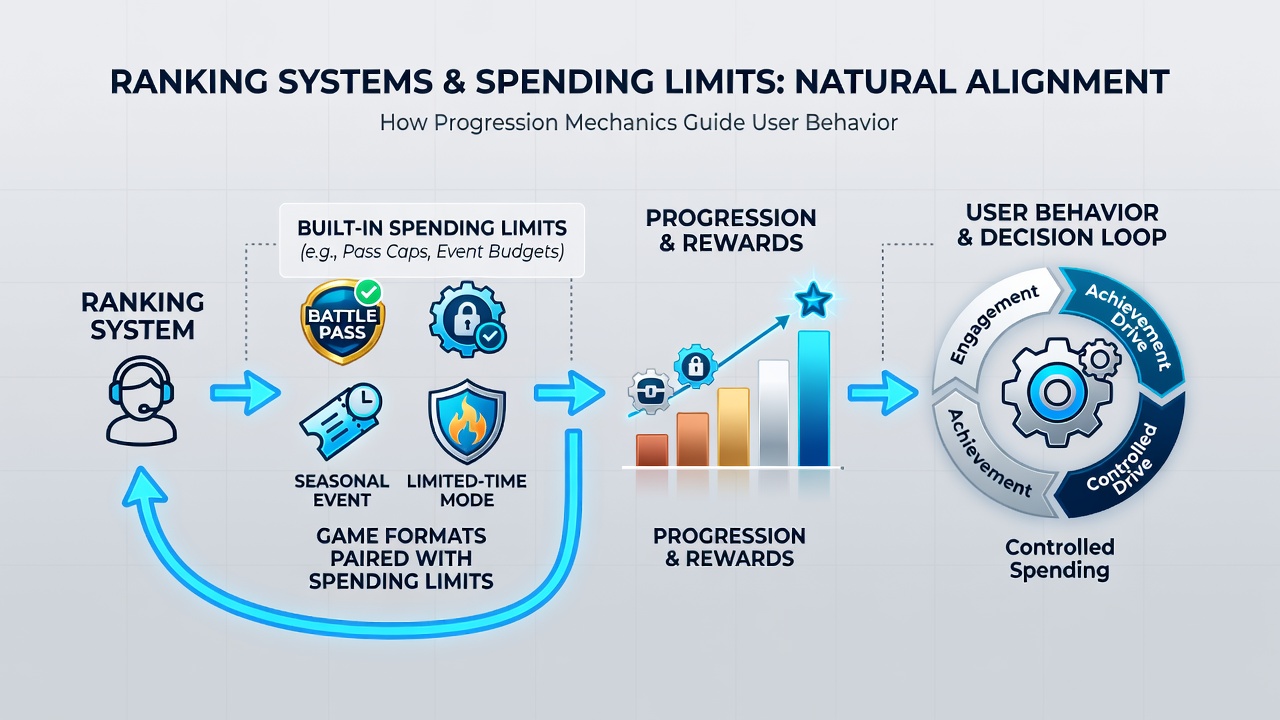
Formats built around fixed wager increments and clear outcome displays pair effectively with spending limit systems because they reduce friction when the platform enforces caps, allowing users to complete intended sessions without interruption. Research from industry monitoring groups reveals that these designs appear more frequently in top-ranked positions on both Apple App Store and Google Play charts once users enable the relevant settings, since retention data remains stable under constrained spending environments.
Table-style games with extended rounds or live dealer elements, by contrast, often receive lower algorithmic priority in the same conditions because their pacing can conflict with sudden limit enforcement, leading to incomplete sessions that lower engagement scores. Platform data indicates developers have responded by introducing optional quick-play modes in these formats to improve compatibility signals and regain ranking ground.
Evidence From Platform Data and Studies
Figures released by the Australian Communications and Media Authority in mid-2026 documented shifts in download patterns among users who activated spending tools, with higher-ranking games in compatible formats accounting for a larger share of activity within controlled budgets. Academic work from the University of Sydney's gambling research unit similarly tracked how algorithmic promotion favored titles with built-in budget alignment, noting measurable differences in placement when spending limits were active versus when they were not.
These observations extend to cross-border comparisons, where Canadian provincial reports from the Alcohol and Gaming Commission of Ontario showed parallel trends in mobile gaming ecosystems. Games that displayed real-time spend tracking within their interfaces climbed rankings more reliably, while formats lacking such features dropped in visibility during periods of heightened platform control usage.
Developer Responses and Platform Adjustments
Developers have adjusted design priorities to match the incentives created by ranking systems, incorporating spending limit compatibility as a core feature rather than an optional add-on. This approach helps titles sustain positions in competitive categories, because platforms reward consistent user satisfaction metrics under constrained conditions with improved search placement and featured placement opportunities.
Platform updates in July 2026 further refined these signals by incorporating explicit compatibility flags for spending tools, which accelerated the movement of aligned game formats into higher ranking tiers. Industry reports indicate that studios monitoring these changes have seen improved performance when they prioritize formats that deliver contained experiences rather than expansive ones.
Conclusion
Ranking systems on app platforms continue to influence which game formats gain prominence when spending limit tools are active, directing user attention toward designs that support controlled play patterns through structural compatibility. Data from multiple regions shows this steering effect operates through engagement metrics and retention signals, shaping visibility without direct mandates from platform operators. Ongoing adjustments by developers and platform providers suggest these dynamics will persist as spending control features expand across mobile ecosystems.