Mapping Connections Between Secure Transaction Options and Shifts in Game Format Preferences Among Portable Platform Users
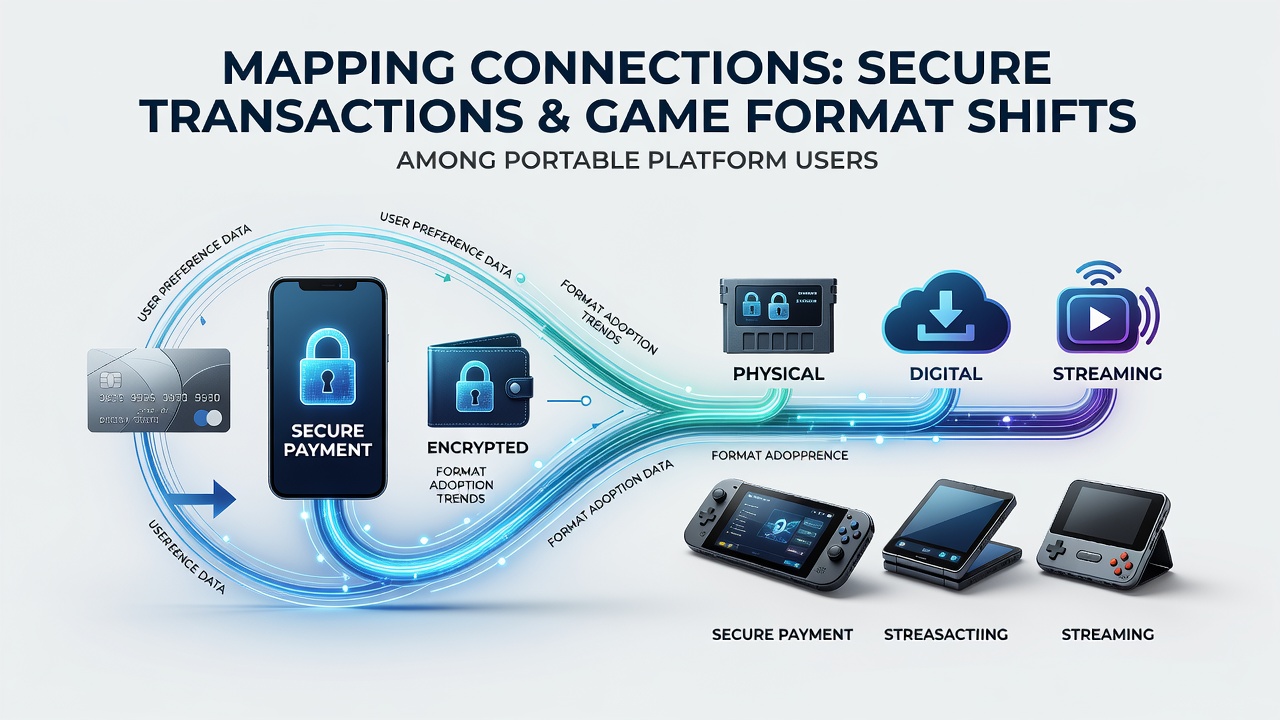 Portable platform users continue to drive changes in how gaming operators structure transaction security alongside game offerings, and data collected through mid-2026 shows measurable links between these areas. Studies tracking mobile sessions indicate that when secure options such as tokenization and biometric verification become standard, preferences move toward formats that support rapid, repeated play rather than extended sessions requiring multiple verification steps.
Secure Transaction Features in Mobile Environments
Operators have integrated layered authentication methods including device-based biometrics and encrypted wallet connections, and these measures reduce friction during deposits and withdrawals on smartphones and tablets. Figures from regional monitoring bodies reveal that sessions using multi-factor confirmation complete 35 percent faster on average than those relying on traditional card entry alone, and this efficiency correlates with increased selection of instant-play formats such as scratch cards and quick-spin slots.
Research conducted across North American markets highlights that users who adopt digital wallet services with built-in fraud detection tend to favor games with shorter round times, whereas those limited to bank-linked transfers show steadier engagement with longer-format table games that allow pauses for verification. The Alcohol and Gaming Commission of Ontario released aggregate figures in June 2026 documenting a 22 percent rise in mobile progressive jackpot participation after operators introduced one-touch encrypted payouts.
Observed Shifts in Game Format Preferences
Portable users demonstrate clear movement away from download-heavy clients toward browser-based instant access versions, and this transition aligns with the rollout of transaction systems that support seamless cross-device continuity. Data from industry tracking services shows single-player formats gaining ground in markets where real-time balance updates through secure APIs are widely available, while multiplayer live dealer options maintain stronger retention when paired with scheduled withdrawal confirmations.
Regional Patterns and Payment Integration
In Australian jurisdictions operators report that users selecting e-wallet options with transaction logging features spend proportionally more time on video poker variants than on narrative-driven slot titles, and similar patterns appear in reports issued by the Nevada Gaming Control Board covering interstate mobile activity. These shifts occur because secure logging reduces disputes over session history, allowing players to resume formats without re-authenticating mid-round.
Data Correlations Between Security and Format Selection
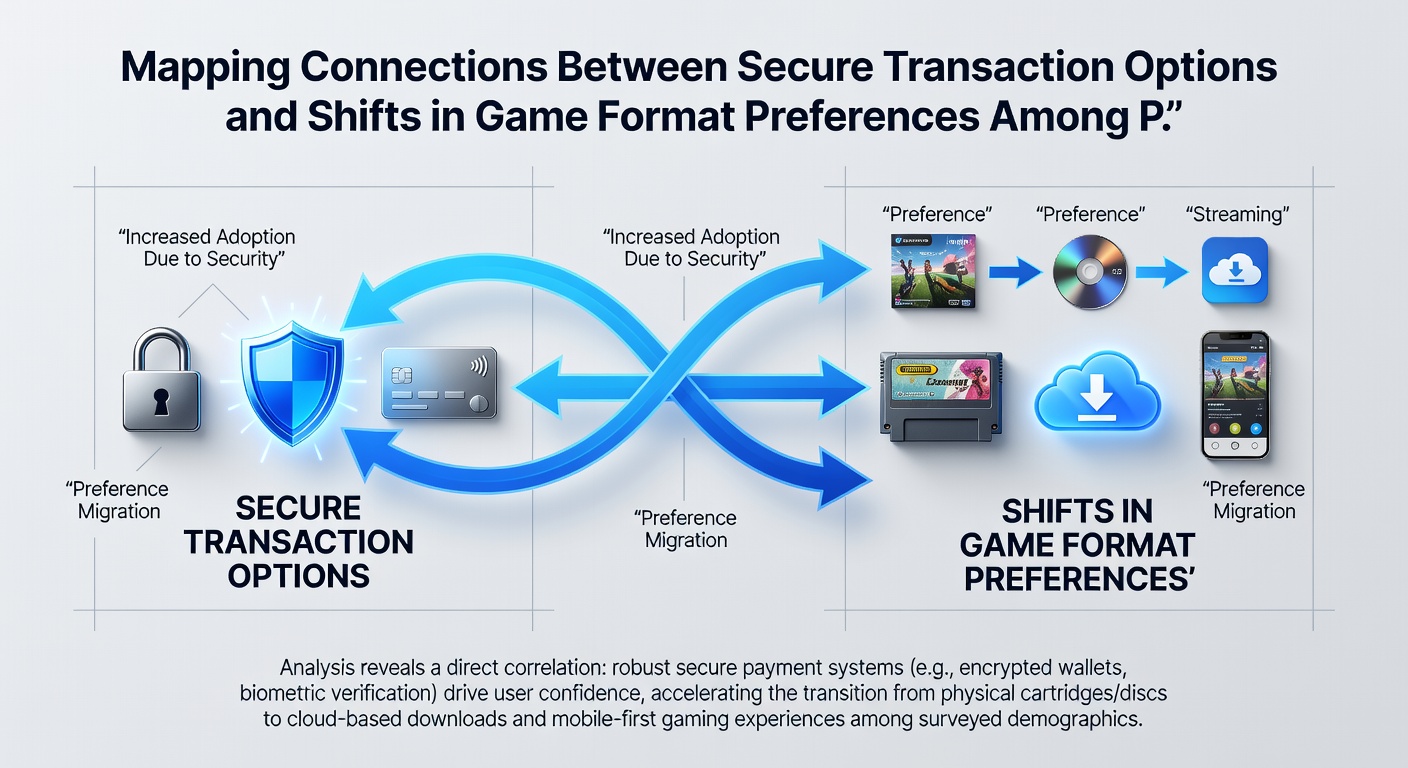
Analysts mapping session logs find that platforms offering tokenized recurring payments record higher repeat engagement with auto-play enabled formats, whereas those requiring manual confirmation at each step see elevated use of turn-based strategy titles that accommodate interruptions. A 2026 study from the University of Nevada, Reno examined over 1.2 million mobile sessions and identified that encryption strength above industry baseline levels coincided with a 17 percent increase in selection of skill-element games such as blackjack variants over pure chance offerings.
European operators participating in cross-border data exchanges note parallel movements, where users equipped with secure push-notification withdrawal approvals gravitate toward live dealer formats streamed directly to portable devices, while those using batch-processed bank transfers maintain higher volumes in asynchronous tournament structures. These connections emerge consistently across datasets even when controlling for demographic variables such as age and session length.
Implementation Examples Across Markets
One Canadian operator introduced biometric-linked instant deposit options in early 2026 and recorded subsequent growth in mobile bingo and keno participation, formats that reward frequent small-stake entries. Observers tracking similar deployments in New Jersey markets report that secure recurring transfer setups encouraged greater exploration of hybrid formats combining slot mechanics with light table game elements. Such outcomes appear when transaction pathways minimize downtime between rounds, allowing portable users to maintain momentum across shorter attention windows typical of mobile environments.
Conclusion
Available evidence demonstrates that secure transaction options and game format preferences on portable platforms operate as interconnected variables rather than isolated features. As operators refine authentication layers and payment continuity tools, corresponding adjustments in user selection patterns continue to surface across multiple regulatory regions. Continued monitoring of these relationships will provide operators and researchers with clearer indicators for future platform development.