Mapping reward pathways to mindful spinning sessions in handheld casino environments
Written by Jonas Vogel · Aug 15, 2026
Mapping reward pathways to mindful spinning sessions in handheld casino environments
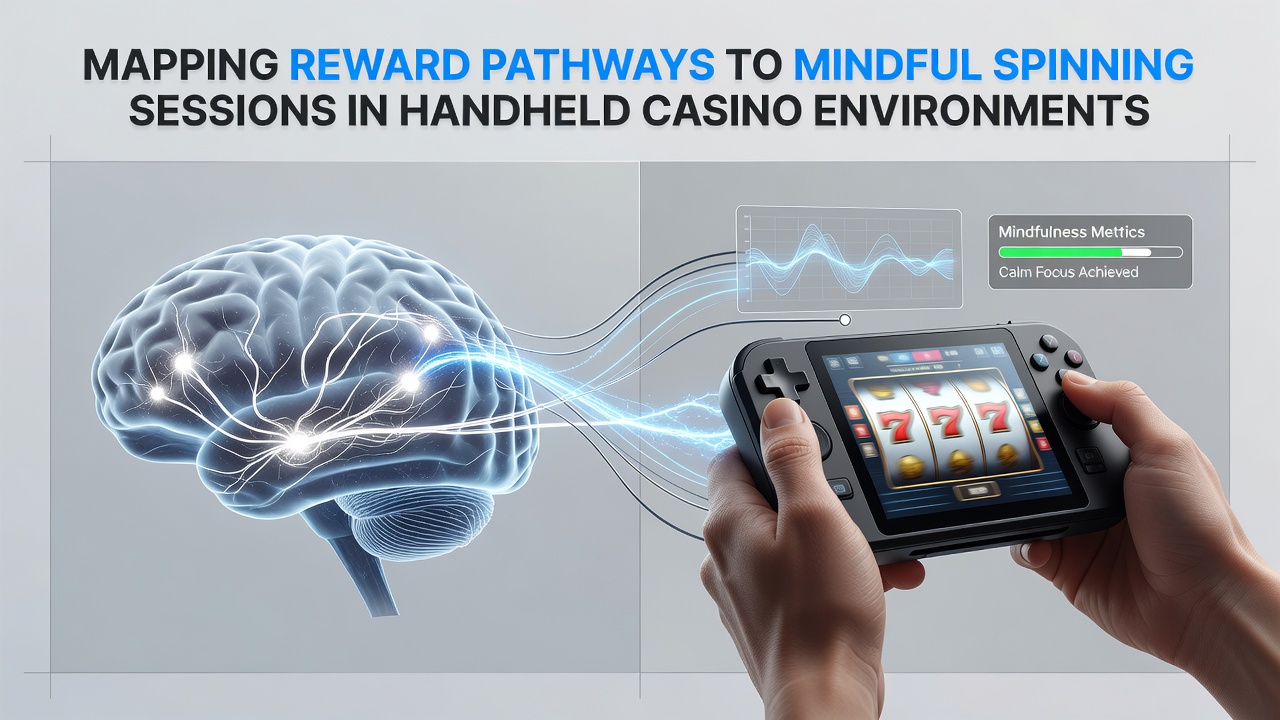
Researchers have begun charting connections between mesolimbic dopamine systems and player engagement during spinning sessions on portable casino platforms, where immediate feedback loops from digital reels intersect with mobile accessibility features. Data from neuroimaging studies indicate that nucleus accumbens activation occurs rapidly when users initiate spins on handheld devices, and this pattern aligns with observed increases in session duration among participants who report heightened focus on visual and auditory cues.
Studies conducted through university laboratories show that portable environments amplify these responses because players can access sessions during brief intervals throughout the day, creating repeated micro-rewards that accumulate without requiring dedicated time blocks. Observers note that handheld formats reduce barriers to entry compared with stationary setups, which in turn influences how reward pathways reinforce continued interaction with slot mechanics.
Neural mechanisms in mobile spinning contexts
Functional MRI scans reveal that anticipation phases before each spin trigger dopamine release patterns similar to those documented in other variable-ratio reinforcement schedules, while the handheld format adds layers of tactile feedback through touchscreens and vibration alerts. Research teams at institutions tracking behavioral neuroscience have mapped these responses across cohorts who engage in sessions lasting five to fifteen minutes, finding consistent peaks in ventral tegmental area signaling when wins register on screen.
August 2026 reports from multi-site investigations highlight how location-based triggers, such as notifications during commutes, further modulate these pathways by linking environmental cues to spinning sequences. Participants in controlled trials demonstrated sustained attention metrics when mindfulness prompts interrupted play at randomized intervals, suggesting that awareness techniques can intersect with reward processing without eliminating the core activation cycle.
Integration of mindful practices with digital formats
Programs developed by gaming research centers incorporate brief reflection intervals into app interfaces, where users pause after sequences of spins to register bodily sensations and decision points. Evidence from longitudinal tracking shows that these insertions correlate with altered session patterns, including shifts toward shorter durations among users who apply the prompts consistently.
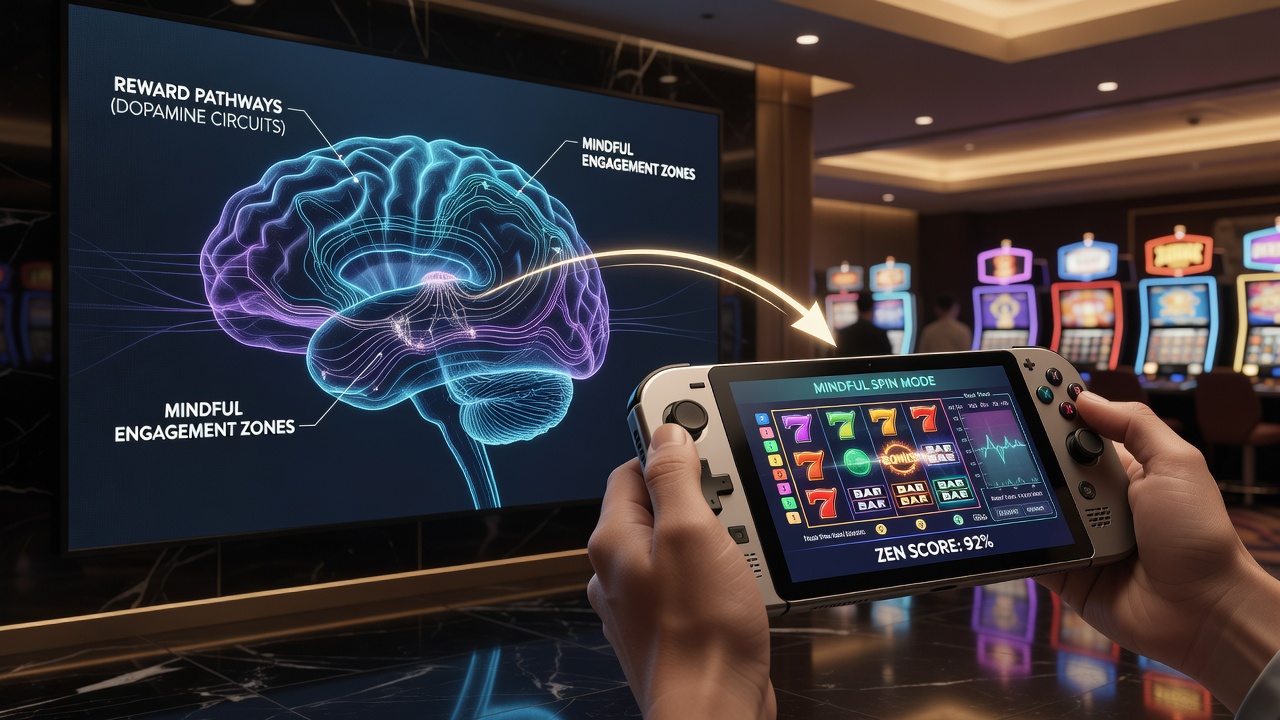
Analyses of transaction data paired with self-reported awareness levels indicate that players who engage these features select lower-stake options more frequently over time, and platform metrics record corresponding changes in average bet sizes across regional user bases. Canadian Centre on Substance Use and Addiction documentation from collaborative studies outlines how such integrations draw on established models of cognitive behavioral adjustment applied to portable gambling interfaces.
Platform design elements and pathway responses
Developers have adjusted reel animation speeds and win celebration durations based on findings that prolonged visual rewards intensify nucleus accumbens engagement, while streamlined presentations moderate the intensity. Handheld casino environments now include optional overlays that display cumulative session time alongside spin counts, providing factual data points that users can reference during active play.
Investigations into cross-device consistency reveal that reward pathway activation remains comparable whether sessions occur on smartphones or tablets, although smaller screen sizes correlate with quicker decision cycles according to eye-tracking measurements. National Institutes of Health summaries of related work emphasize the role of intermittent reinforcement schedules in maintaining engagement across these formats, independent of specific game themes.
Emerging patterns from 2026 observations
Regional datasets compiled through August 2026 show rising adoption of in-app tools that prompt users to evaluate their current state before continuing spins, with uptake rates varying by demographic groups and device operating systems. These tools draw from research protocols that measure heart rate variability and self-reported urge levels at multiple points within a single session.
Patterns indicate that users who apply such checkpoints exhibit measurable differences in total spins completed per session, and aggregate figures from platform analytics support the view that these differences distribute across diverse player profiles rather than clustering in narrow segments.
Conclusion
Current mapping efforts continue to refine understanding of how reward pathways operate within handheld casino environments when mindful elements enter the sequence. Ongoing data collection from multiple research networks supplies updated metrics on activation thresholds, session structures, and the effects of integrated awareness features on behavioral outcomes. These findings remain available through academic repositories and regulatory summaries for further examination by interested parties.