Maryland's Senate Bill 885 Pushes Online Casinos to 2026 Voter Ballot
Maryland's Senate Bill 885 Pushes Online Casinos to 2026 Voter Ballot

The Push for Online Casino Legalization Takes Shape
Senators in Maryland have introduced Senate Bill 885, sponsored by Sen. Ron Watson, a measure that would send the question of legalizing online casino gaming straight to voters in a statewide referendum come November 2026; this comes as the state already hosts a thriving brick-and-mortar casino scene alongside legal sports betting, yet online slots and table games remain off-limits for now. Lawmakers crafted the bill to address concerns from various stakeholders, balancing potential revenue gains with protections for existing industry players and workers alike. As discussions heat up in April 2026 sessions, observers note how the proposal builds on Maryland's gaming evolution since sports wagering launched in late 2021, generating hundreds of millions in taxes annually.
What's interesting here is the bill's structure, which doesn't just flip a switch for iGaming but layers in safeguards and incentives designed to smooth the transition; for instance, it mandates a $10 million fund specifically earmarked for casino workers displaced by the shift to digital platforms, ensuring retraining or support programs kick in if jobs move online. And while the referendum looms two years out, the legislation sets the stage now by outlining regulatory frameworks that could take effect post-approval, signaling lawmakers' intent to move deliberately rather than rush into uncharted territory.
Breaking Down the Bill's Core Provisions
Senate Bill 885 spells out detailed requirements for labor peace, demanding agreements between operators and unions to prevent work stoppages at physical casinos during the online rollout; these pacts aim to keep operations humming without disruptions, a nod to the six land-based casinos dotting Maryland's landscape from Perryville to western mountains. Financial incentives sweeten the deal too, offering tax credits or rebates for companies investing in in-state studios to host live dealer games, potentially creating tech jobs and keeping economic benefits local rather than letting them flow to out-of-state servers.
Annual impact studies form another pillar, with the Maryland General Assembly requiring regulators to assess how online gaming affects brick-and-mortar revenue, employment, and problem gambling rates each year; this ongoing monitoring echoes approaches in states like New Jersey, where such data has shaped adjustments since iGaming debuted in 2013. Turns out, the bill treats online poker separately from casino games, allowing distinct licensing fees, tax rates—pegged at 15% for casino net win and potentially lower for poker—and operational rules tailored to each format's nuances.
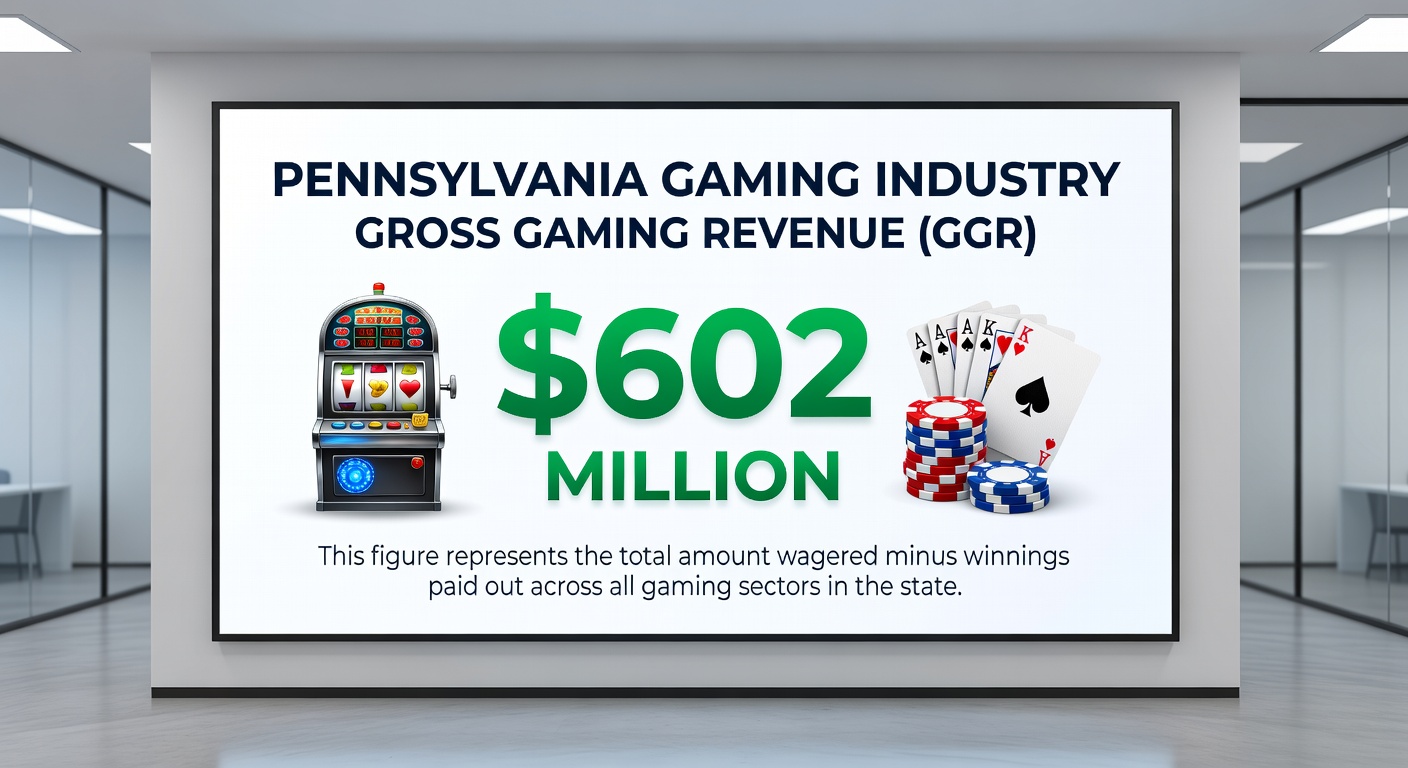
Regulators would handle poker under existing sports betting oversight via the Maryland Lottery and Gaming Control Agency, but casino platforms get their own dedicated framework, complete with geofencing to ensure only in-state players participate; this separation lets policymakers fine-tune without one vertical dragging down the other, much like how Pennsylvania carved out paths for both since 2019. Experts who've tracked these evolutions point out how such distinctions prevent market confusion, fostering cleaner growth.
Context Within Maryland's Gaming Landscape
Maryland's six commercial casinos raked in over $700 million in gross gaming revenue last fiscal year, per state reports, fueling education funding through the state's dedicated gaming tax stream; sports betting added another $100 million-plus in taxes since legalization, with mobile apps dominating wagers at a 90% clip. Yet online casinos lag behind, as players cross state lines digitally to New Jersey or Pennsylvania hubs, a gap Bill 885 seeks to close by bringing action home.
One study from the American Gaming Association highlights how iGaming could boost Maryland's haul by $200-300 million annually in new taxes, based on peer state performances adjusted for population and tourism draw; that's significant because it positions the referendum as a revenue play amid budget pressures, without dipping into general funds. But here's the thing: the bill ties approval to voter say-so, reflecting Maryland's constitutional process for expanding casino-style gaming beyond the 2012 referendum that greenlit table games.
Lawmakers like Sen. Watson, representing Prince George's County with its MGM National Harbor powerhouse, champion the measure as a forward-looking step; supporters argue it modernizes an industry facing digital headwinds, while brick-and-mortar operators push for the protections to safeguard their $2 billion-plus investments. As April 2026 hearings unfold, testimony from unions and tech firms underscores the bill's collaborative bent, with amendments already floating to tweak studio incentives.
Regulatory and Tax Nuances Explained
The proposed tax structure hits online casino revenue at a competitive 15%, lower than some neighbors' 20-30% blends, paired with a gross revenue deduction for promotions to encourage aggressive marketing; poker, meanwhile, might draw a flat fee model akin to sports betting's 15% hold, simplifying compliance for multi-vertical operators. Licensing demands operators secure a full casino license or partner with land-based holders, ensuring skin-in-the-game from established players like Live! Casino or Horseshoe Baltimore.
Geofencing tech, already proven in sports betting, enforces play limits within Maryland borders, while age and identity verification tie into national databases to curb underage access; annual audits and responsible gaming tools round out the regime, mandating deposit caps, self-exclusion options, and spend tracking shared across platforms. Observers note this mirrors best practices from the New Jersey Division of Gaming Enforcement, where iGaming has operated safely for over a decade without major breaches.
And the $10 million worker fund? It activates upon legalization, disbursed via grants for skills training in digital ops or hospitality pivots, addressing fears that online shifts could idle thousands of table game dealers; labor agreements, binding for five years minimum, prohibit strikes tied to iGaming disputes, keeping peace at a time when union negotiations already simmer at major properties.
Path to the Ballot and Beyond
To reach November 2026 ballots, SB 885 must clear both legislative chambers by session's end this spring, then withstand any gubernatorial veto—Governor Wes Moore has voiced cautious support for gaming expansions that prioritize equity; if passed, the referendum question would appear alongside other measures, requiring simple majority approval to amend the state constitution for online casinos specifically, leaving sports and poker paths intact.
Campaigns could ramp up post-passage, with pro-iGaming coalitions drawing from sports betting's successful 2020 voter push that amassed $20 million in backing; opponents, likely including some casino unions or anti-gambling groups, might highlight addiction risks despite built-in studies. People who've followed referendums know turnout sways on ballot clutter, but gaming measures often poll strong in revenue-hungry states.
Now, with April 2026 deliberations underway, the Senate Budget and Taxation Committee holds key sway, having advanced similar bills before; tweaks for higher studio investment thresholds or broader impact metrics could emerge, refining the package before full floor votes.
Conclusion
Senate Bill 885 stands as Maryland's boldest bid yet to harness online casino potential, wrapping voter input around robust worker aids, regulatory splits, and economic lures that could redefine the state's $3 billion gaming sector; while the 2026 referendum holds the decisive card, current momentum suggests lawmakers eye it as a win for modernization amid digital tides lapping at physical doors. Data from peer states underscores the upside, and with protections layered in, the path forward feels measured, poised for whatever voters decide come November.