Regional Oversight Mechanisms and Their Influence on Game Format Choices Within Portable Responsible Play Frameworks
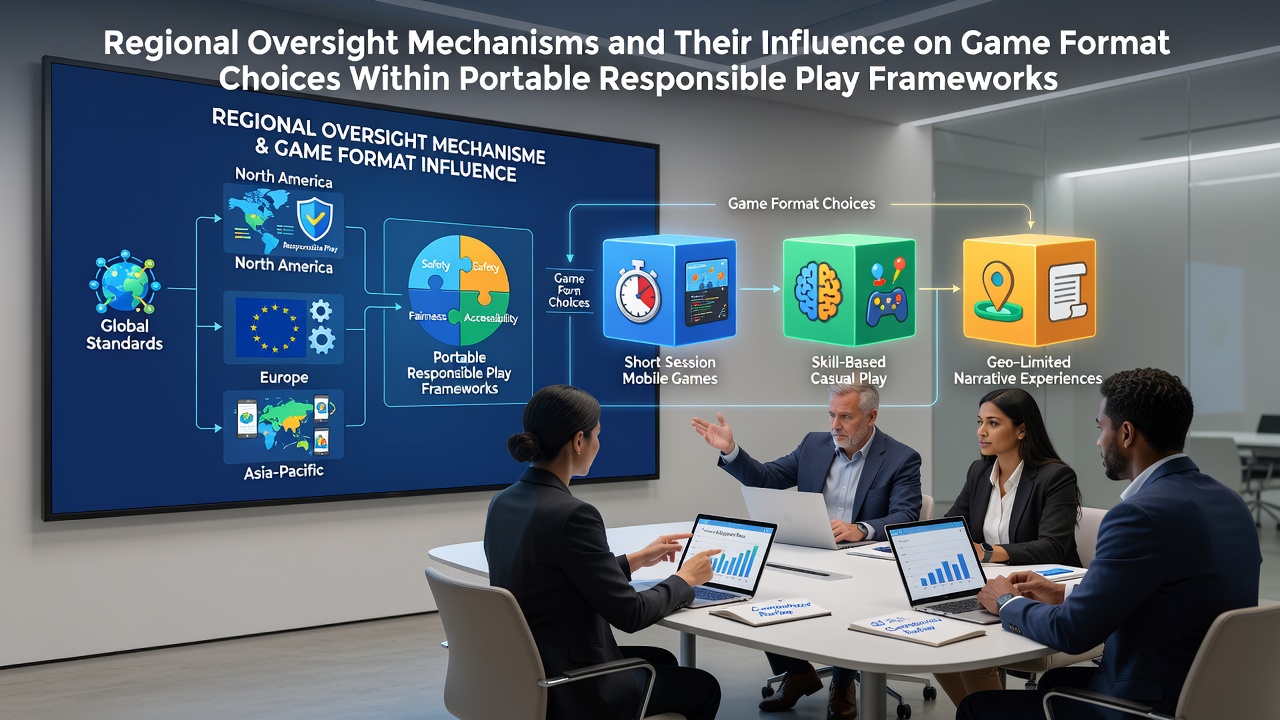
Regional oversight mechanisms shape how portable platforms structure game formats under responsible play rules, and data from multiple jurisdictions shows clear patterns emerging by July 2026. These frameworks operate through licensing conditions, technical standards, and player protection mandates that differ across borders yet share common goals around session limits, spend controls, and game pacing. Observers note that operators adjust their mobile offerings to meet these requirements while maintaining engagement metrics that comply with local reporting obligations.
Core Elements of Regional Oversight in Mobile Contexts
Regulatory bodies establish parameters that directly affect which game formats receive approval for handheld distribution, and these parameters often include requirements for real-time monitoring tools integrated into the software itself. In North American markets, for instance, state-level commissions require geofencing combined with identity verification that influences whether live dealer tables or automated slot sequences appear as default options on approved apps. European authorities apply similar scrutiny through technical certification processes that evaluate return-to-player calculations alongside responsible play features such as reality checks and cool-off prompts.
Asia-Pacific regulators focus on different priorities, emphasizing transaction velocity limits and game categorization that steer operators toward formats with built-in pause intervals. These variations create distinct libraries of available titles depending on the user's detected location, and studies from industry research groups confirm that compliance teams routinely test multiple variants of the same game to satisfy overlapping rulesets.
How Oversight Translates Into Format Selection
Portable responsible play frameworks require operators to embed controls that match regional expectations, which in turn affects whether high-volatility slots, low-stakes table games, or hybrid instant-win experiences dominate the mobile interface. Data collected through mandatory reporting shows that jurisdictions with strict session-time caps tend to favor games with shorter average play cycles, while regions prioritizing deposit frequency monitoring see increased deployment of formats that allow seamless wallet integration without interrupting play flow.
One documented shift involves the rise of modular game engines that let platforms swap payout structures and visual themes based on the detected regulatory environment. Research from academic institutions tracking digital gambling trends indicates that such adaptability reduces approval delays and supports consistent responsible play messaging across devices. Figures from regulatory filings reveal that mobile operators in multi-jurisdictional markets now maintain separate content pipelines for different oversight zones, each calibrated to specific loss-limit algorithms and self-exclusion protocols.
Comparative Patterns Across Jurisdictions
North American examples demonstrate how state-by-state differences drive format preferences, with some commissions requiring prominent display of time-elapsed indicators that work best within slot-style interfaces, whereas others emphasize wager-limit tools suited to table game environments. Australian frameworks, administered through state gaming authorities, impose harm-minimization standards that have prompted operators to prioritize games with adjustable speed settings and mandatory break prompts. Canadian provincial regulators apply similar requirements through centralized licensing bodies, resulting in mobile catalogs that balance entertainment value against documented player protection benchmarks.
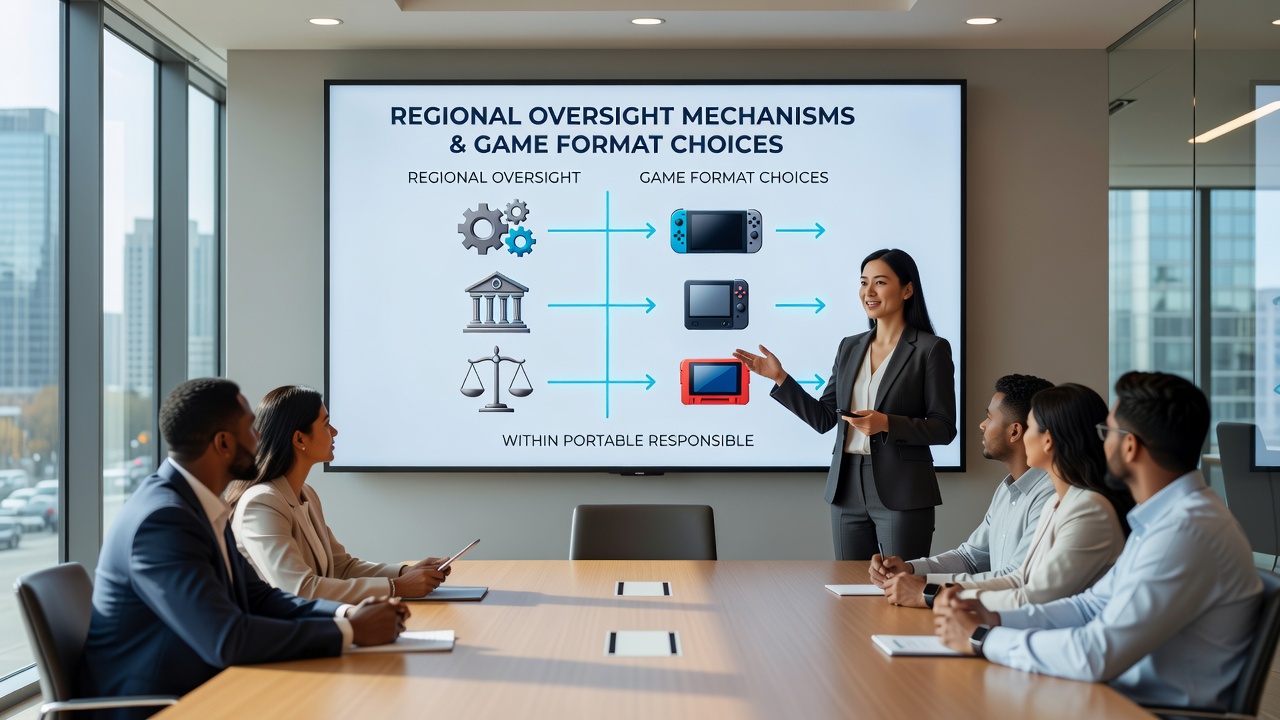
European Union member states coordinate through cross-border technical standards that influence how live dealer streams and automated RNG games receive classification, and these standards affect which formats operators promote within responsible play dashboards. Reports compiled by transnational industry associations highlight that operators serving multiple EU markets often default to formats with standardized pause features to streamline compliance across borders.
Integration With Transaction and Monitoring Systems
Payment processing rules tied to regional oversight further guide format availability, since certain transaction types trigger additional verification steps that suit slower-paced games better than rapid-reel mechanics. Secure wallet integrations must align with local spend-tracking mandates, and this alignment encourages developers to create game variants that pause automatically when preset thresholds approach. Evidence from platform analytics indicates that users in heavily regulated zones encounter more frequent prompts to review activity summaries, which operators accommodate by designing interfaces that minimize disruption during these required check-ins.
According to data published by the Alcohol and Gaming Commission of Ontario, mobile operators have adjusted their game libraries to emphasize titles with transparent volatility disclosures that satisfy provincial reporting requirements. Similar adjustments appear in filings submitted to Australian state regulators, where format choices reflect both player protection priorities and commercial performance targets.
Emerging Trends Observed in Mid-2026
By July 2026, several oversight bodies had introduced updated technical guidelines addressing artificial intelligence-assisted personalization within responsible play tools, and these updates affect how game formats adapt to individual risk profiles on portable devices. Regulators in multiple regions now require audit trails for algorithmic recommendations, which has prompted developers to build compliance layers directly into game engines rather than as aftermarket additions. Industry reports from research organizations note that this integration supports consistent application of session management features regardless of the underlying game type.
Operators have responded by expanding testing protocols that simulate regional rule changes before deployment, reducing the frequency of post-launch modifications. Those who've examined compliance documentation observe that successful implementations rely on flexible backend systems capable of toggling game parameters without requiring full re-certification in each jurisdiction.
Conclusion
Regional oversight mechanisms continue to define the boundaries within which portable platforms present game formats under responsible play frameworks, and teh resulting adaptations reflect ongoing dialogue between regulators, operators, and technology providers. Patterns documented through regulatory data and industry analysis show that format selection serves both compliance objectives and operational efficiency, with modular design approaches gaining traction across markets. As oversight bodies refine their standards through 2026 and beyond, observers expect further convergence around core responsible play features while preserving regional distinctions in implementation details.