Shifting Player Habits: How Diverse Game Formats Guide Transaction Preferences in Handheld Environments
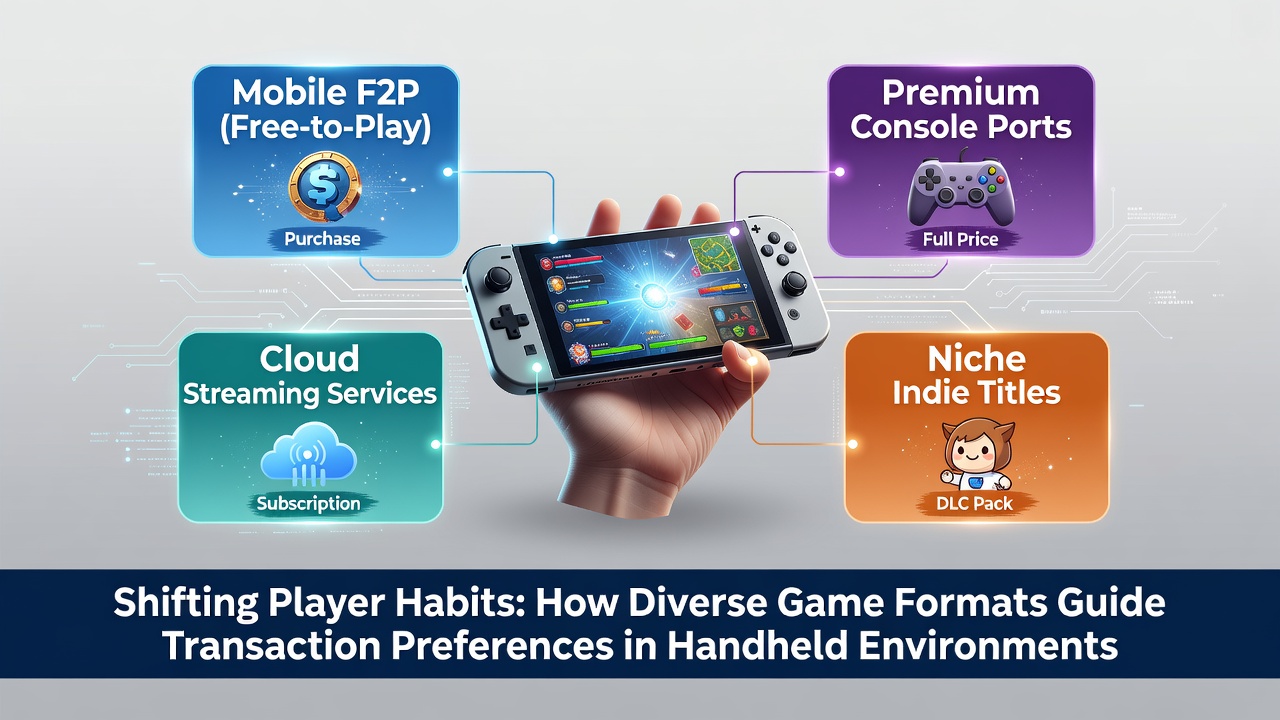
Handheld gaming platforms continue to reshape how players approach transactions because different formats create distinct rhythms of play and decision making. Quick session games such as digital slots often pair with small instant deposits while longer immersive titles encourage users to select funding methods that support extended sessions without repeated interruptions.
Game Formats Set the Pace for Payment Choices
Observers note that slot style titles on portable devices typically feature rapid spin cycles and frequent bonus triggers so participants lean toward e-wallets or stored card details that allow top ups in seconds. These choices reduce friction during short bursts of activity that might occur during commutes or breaks. In contrast table game formats such as blackjack or roulette demand more deliberate pacing where players review odds and bankroll management strategies before committing funds therefore they gravitate toward options that display clear transaction histories and scheduled withdrawal windows.
Data from June 2026 shows portable platform operators reporting higher volumes of micro transactions tied to slot engagement while live dealer sessions correlate with larger average deposit sizes processed through bank transfers or digital asset networks. Researchers tracking these patterns across multiple markets point out that the visual and audio cues within each format subtly steer users toward payment tools that match the tempo of the game itself.
Regional Data Highlights Emerging Patterns
Figures released by the Nevada Gaming Control Board indicate that mobile slot activity in regulated markets rose steadily through the first half of 2026 with transaction logs revealing a preference for instant funding services over traditional card entries. Meanwhile analysts examining European markets outside the United Kingdom documented similar shifts where live dealer formats on tablets prompted increased use of prepaid vouchers that offer spending caps aligned with session length.
One study from a Canadian academic team examined player logs across handheld devices and found that those engaging primarily with progressive jackpot slots completed an average of four deposits per session compared with two deposits during poker or baccarat play. The difference stems from the format driven need for repeated small stakes rather than any change in overall budget allocation.
Transaction Tools Adapt to Format Demands
Payment providers have responded by embedding format specific prompts within mobile casino applications. When a user opens a slot lobby the interface surfaces options for rapid digital wallet connections whereas entry into a live dealer area surfaces tools that highlight verification status and multi day withdrawal schedules. These adjustments appear because operators recognize that mismatched transaction methods can interrupt the intended flow of each game type.
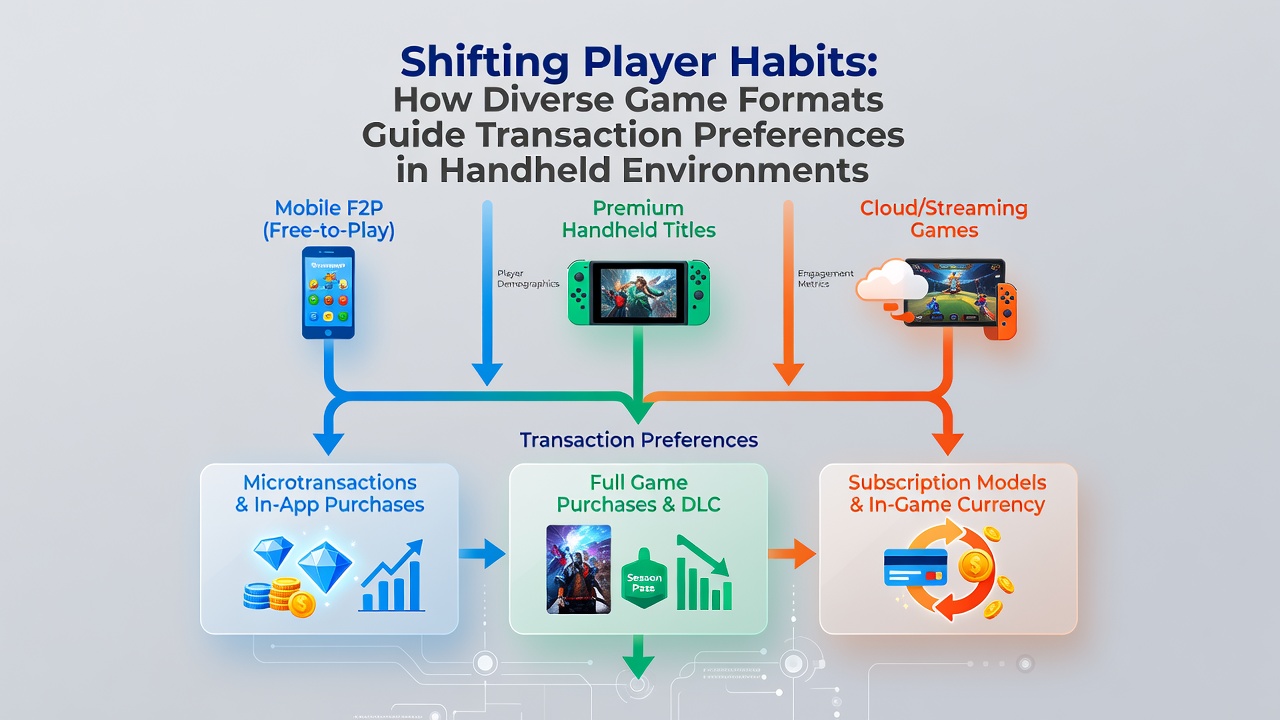
Industry reports compiled in mid 2026 further reveal that handheld users switch payment preferences when they move between formats within the same app. A player might fund a slot session through an e wallet then switch to a bank transfer when joining a multi table tournament that requires a larger committed balance. Such flexibility reduces the likelihood of session abandonment when game selection changes mid evening.
Security Features Influence Format Linked Preferences
Security layers built into handheld environments also guide choices. Biometric confirmations work seamlessly for small slot deposits yet some players prefer additional authentication steps when moving larger sums into live dealer tables. Regulators in several jurisdictions now require operators to display these layered options clearly so users understand how each game format interacts with their chosen funding method.
Take one operator in a regulated North American market that introduced format aware dashboards in spring 2026. The system automatically suggests transaction types based on historical play data and current game selection resulting in measurable reductions in declined deposits during live sessions according to internal metrics shared with industry partners.
Future Tracking and Market Adjustments
Market analysts expect continued refinement of these connections as new game formats enter handheld libraries. Puzzle based or narrative driven titles may introduce hybrid transaction models that blend instant micro payments with scheduled larger transfers. Observers tracking June 2026 trends note that operators testing such models report higher session retention when payment interfaces mirror the structural demands of each format.
Research institutions continue to collect cross border data to identify whether these patterns hold across different regulatory frameworks. Early comparisons suggest that markets with streamlined licensing see faster adoption of format specific payment tools while stricter environments experience slower integration as providers await clearer compliance guidelines.
Conclusion
Handheld gaming continues to demonstrate that transaction preferences do not exist in isolation from game formats. Slots drive rapid small scale funding while table and live dealer experiences favor structured larger movements. Data gathered through 2026 confirms these linkages across regions and payment providers have begun embedding responsive tools that align funding methods with the pace and structure of each title. As portable platforms expand their libraries the relationship between format and transaction choice will likely remain a central focus for operators seeking to match player behavior with available services.