Uncovering Ties Between Evaluation Metrics and Player Movement Across Entertainment Types in Wireless Gaming Setups
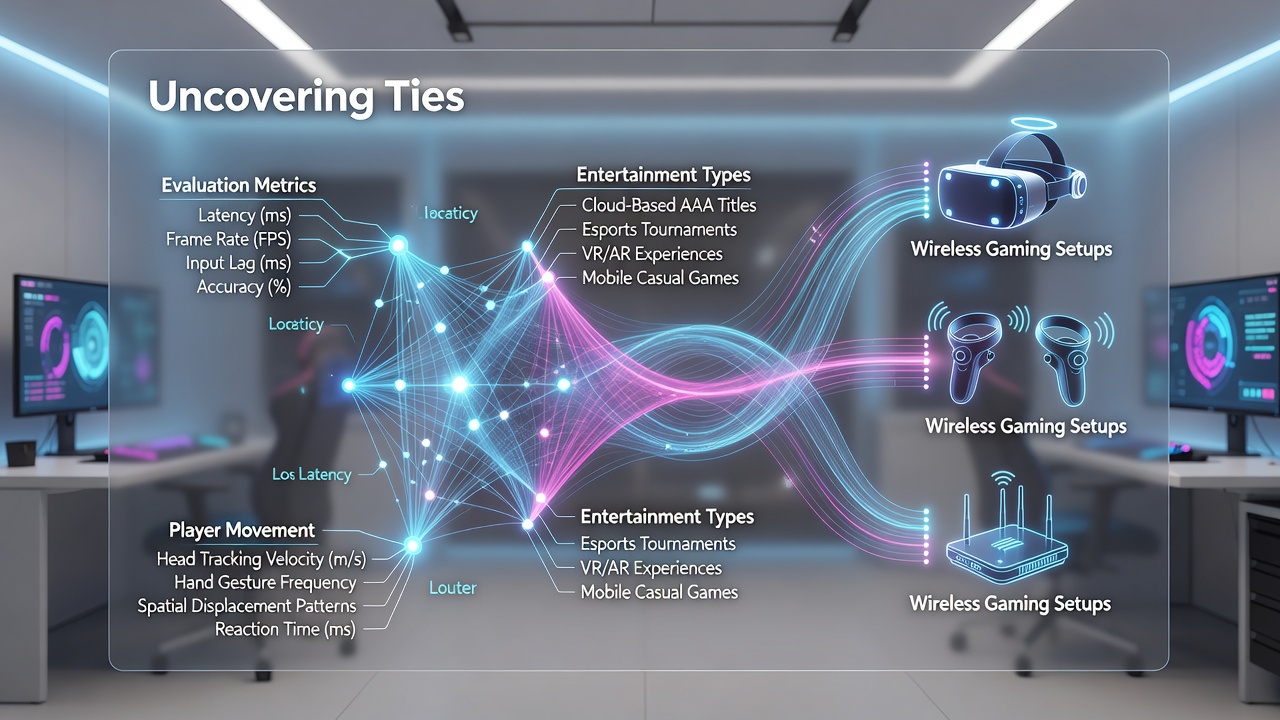
Wireless gaming setups continue to expand rapidly as 5G networks and cloud infrastructure mature, creating environments where evaluation metrics directly shape how users transition between different forms of digital entertainment. Researchers track variables such as latency thresholds, session duration averages, and engagement scores to map patterns of player movement from competitive multiplayer titles to narrative-driven experiences or integrated streaming services on the same portable devices.
Core Evaluation Metrics in Wireless Environments
Data collected across multiple network operators reveals consistent correlations between frame rate stability and the likelihood of users shifting entertainment types mid-session. When metrics indicate sustained frame rates above 60 FPS combined with sub-20ms latency, participants demonstrate higher retention within action genres before exploring adjacent formats like casual puzzle libraries or live event broadcasts. Studies released in early 2026 by regional telecommunications bodies highlight that packet loss rates exceeding 1% frequently precede measurable drops in cross-genre exploration, prompting developers to adjust matchmaking algorithms accordingly.
Device-level analytics further illustrate these dynamics through battery consumption patterns and thermal throttling indicators. Observers note that elevated power draw during extended wireless sessions often coincides with accelerated movement toward lighter entertainment options, including short-form video platforms integrated within gaming ecosystems. Figures from industry monitoring services show this transition occurring most prominently during peak evening hours when network congestion peaks.
Player Movement Patterns Across Formats
Longitudinal tracking of user accounts demonstrates recurring sequences where individuals begin in high-intensity battle royale environments, migrate toward cooperative role-playing sessions, and conclude with passive viewing modes. Evaluation frameworks incorporating real-time quality-of-service scores help predict these shifts with increasing accuracy, particularly when combined with behavioral signals such as input frequency and menu navigation speed. Reports compiled through collaborative efforts between European academic institutions and Asian hardware manufacturers document similar sequences across diverse demographic segments.
Geographic variations emerge clearly in datasets covering North American and Australian markets. In regions with denser small-cell deployments, players exhibit more fluid movement between gaming and augmented reality overlays, while areas reliant on macro towers display steadier adherence to single-format sessions until connectivity metrics improve. These observations stem from aggregated telemetry shared at industry forums held during June 2026.
Integration of Metrics with Platform Algorithms
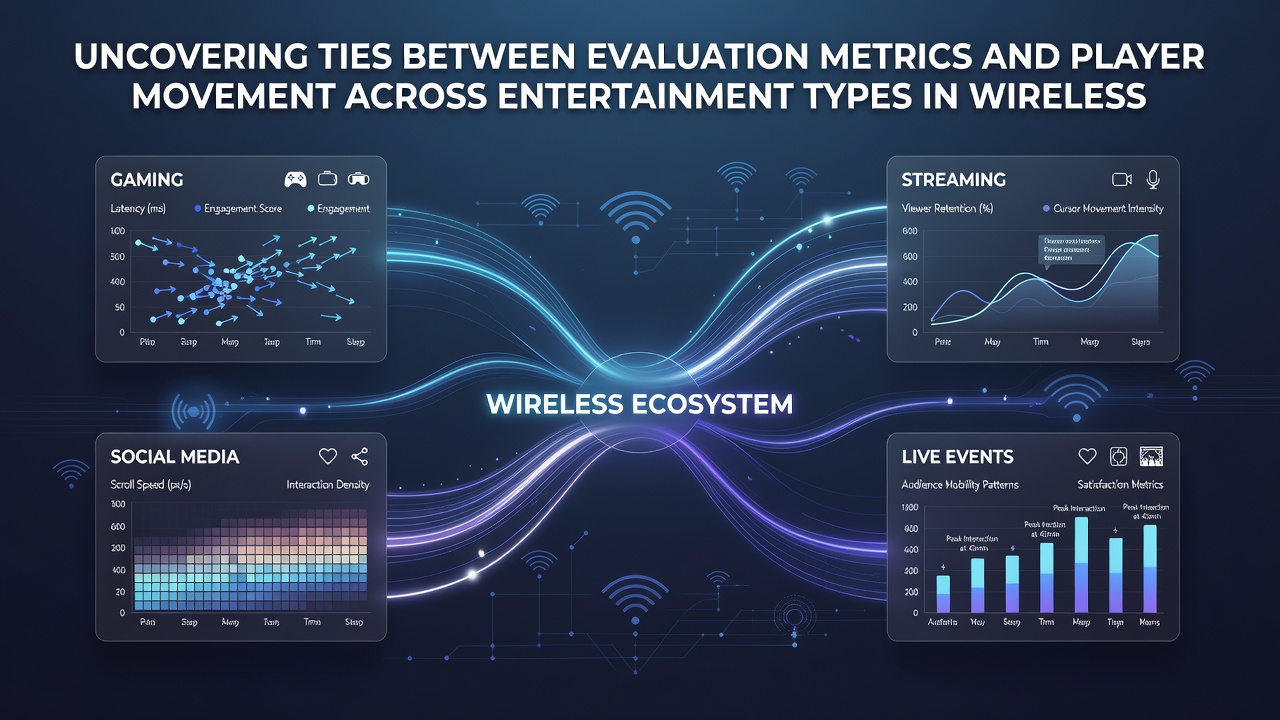
Platform operators now embed evaluation metrics directly into recommendation engines that guide entertainment selection. When session quality indicators fall below established baselines, systems surface alternative formats with lower computational demands, effectively steering movement toward hybrid experiences that blend gameplay with media consumption. Canadian regulatory filings from mid-2026 detail how such adaptive systems reduced average session abandonment rates across sampled wireless networks.
Cross-platform interoperability standards facilitate additional layers of insight. Developers utilizing unified APIs gain visibility into how metrics collected on one device influence subsequent activity on secondary screens, revealing pathways from portable console gaming to tablet-based viewing. Academic papers published through Australian research consortia emphasize the role of standardized logging protocols in uncovering these multi-device journeys without compromising user privacy frameworks.
Network Infrastructure Influences
Edge computing nodes positioned near population centers produce measurable effects on metric stability, which in turn affects entertainment type transitions. Lower round-trip times enable seamless switches between immersive virtual environments and social interaction features, whereas reliance on distant data centers correlates with prolonged stays within simpler game modes. GSMA technical briefs released throughout 2026 outline deployment statistics supporting these infrastructure connections across multiple continents.
Seasonal fluctuations appear in usage reports as well. Summer months often coincide with increased outdoor wireless activity, where variable signal strength prompts quicker shifts toward entertainment formats tolerant of intermittent connectivity. Monitoring organizations record corresponding changes in aggregate engagement scores that align with these environmental factors.
Conclusion
Connections between evaluation metrics and player movement continue to inform development priorities within wireless gaming ecosystems. Ongoing data collection efforts across regulatory agencies, academic groups, and infrastructure providers supply the empirical foundation needed to refine predictive models. As network capabilities advance further, these ties will likely yield additional insights into user behavior across expanding varieties of digital entertainment accessed through portable setups.